Bathroom Plumbing Upgrades That Boost Property Value
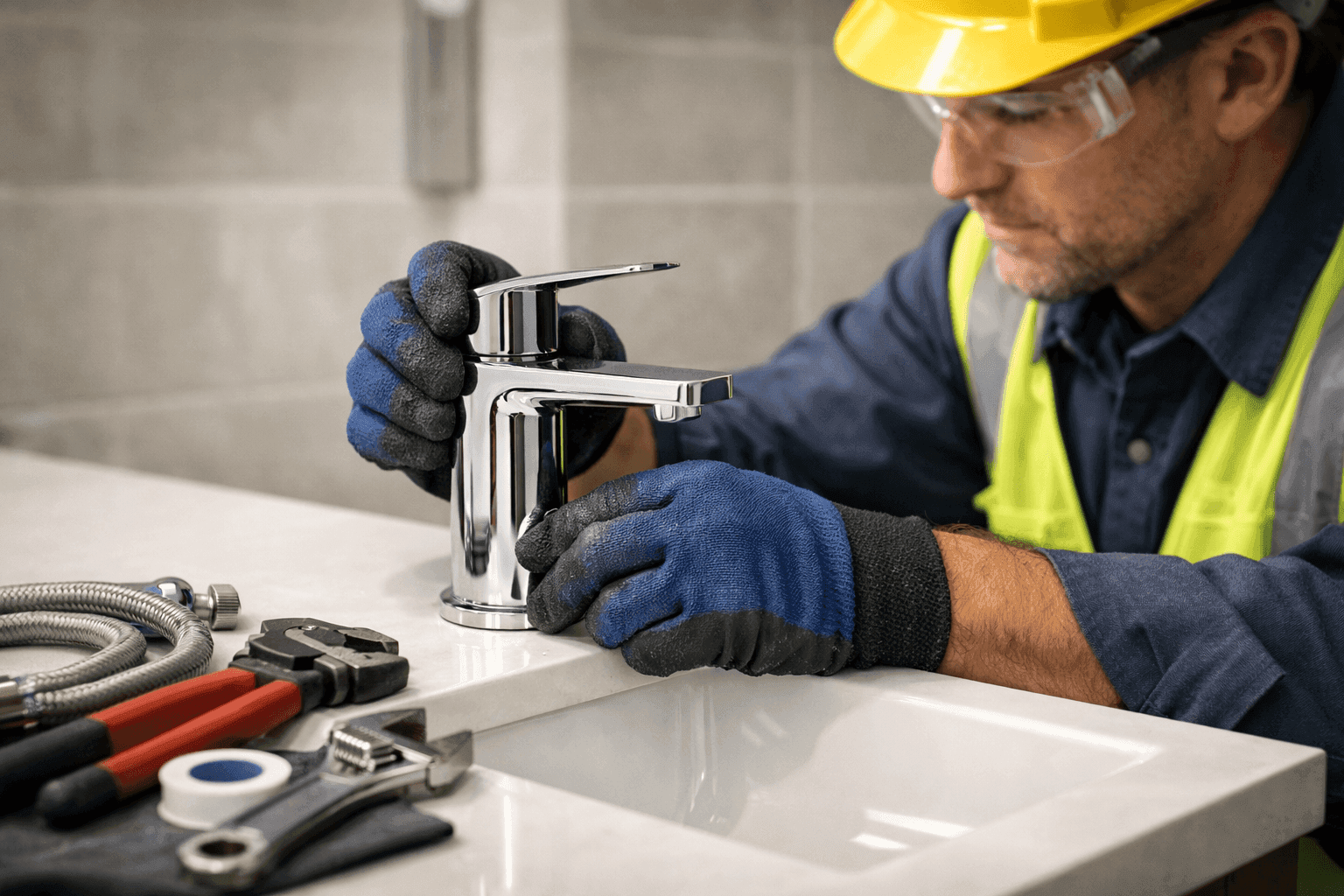
Is your bathroom plumbing stuck in the past? Old pipes, dated fixtures, and leaky faucets drag down both comfort and resale value. Upgrading isn’t just about looks—it’s about peace of mind, efficiency, and a home that works as hard as you do.
At JJL Plumbing, we’ve seen firsthand how smart plumbing projects can transform daily living and boost what your home or business is worth. Let’s break down which upgrades pay off, how to avoid hidden headaches, and why a skilled professional is your secret weapon.
The Appeal of Modern Bathroom Plumbing
Buyers and tenants notice the bathroom first. Modern bathrooms signal care, safety, and up-to-date systems. They’re also a place where plumbing is constantly on display—or on trial, when something goes wrong.
Upgrades do more than impress. They help avoid water damage, cut down on bills, and ensure showers and sinks work without drama. It’s like trading a rusty old bike for a new car—everything just runs smoother.
Popular Upgrades That Pack a Punch 🚿
Sleek New Fixtures
Shiny faucets and updated showerheads instantly modernize a space. Today’s fixtures are more than skin-deep—they offer better water control, easier cleaning, and improved durability. Consider:
- Touchless or single-lever faucets for hygiene and ease.
- Rain or handheld showerheads for spa-like comfort.
- Modern toilets with quiet, efficient flushes.
Low-Flow Upgrades
Switching to low-flow toilets, showers, and faucet aerators is like turning off a dripping tap in your wallet. The EPA’s WaterSense program shows that a single upgrade can save thousands of gallons (and dollars) every year.
Accessibility That Adds Value
Grab bars, comfort-height toilets, and walk-in showers aren’t just practical—they open your property to more buyers or tenants. Accessibility upgrades signal thoughtful design and future-proofing.
Plumbing Behind the Walls: The Hidden Heroes 🛠️
Repiping Old Lines
Old galvanized or polybutylene pipes? These can corrode or burst, sometimes with little warning. Upgrading to copper or modern PEX is like replacing old wiring—unseen, but vital for safety and insurance.
Leak Detection and Prevention
A slow leak behind the wall can eat away at your home’s bones. Smart leak detectors, quality shutoff valves, and thorough inspections stop disasters before they start. The International Plumbing Code recommends regular checks, especially on older homes.
Water Pressure: The Goldilocks Zone
Weak showers or noisy pipes? Both can indicate pressure issues. Upgrading pressure regulators or valves brings everything into balance, making mornings less stressful.
Value and Efficiency Impact
Lower Bills, Higher Appraisals
Energy- and water-efficient plumbing upgrades don’t just slash monthly bills—they’re a selling point. According to the National Association of Home Builders, buyers pay more for homes with modern, efficient bathrooms.
Less Risk, More Reward
Code-compliant plumbing reduces the risk of leaks, floods, and expensive emergency calls. It’s like having good brakes on your car: you may not notice them daily, but when you need them, they’re priceless.
Insurance and Compliance
Insurance companies often offer better rates for up-to-date plumbing. And if you ever sell, passing inspections is much easier when everything’s up to modern code (check with your local authority or the Uniform Plumbing Code for requirements).
Choosing the Right Pro for the Job 🧰
Why Experience Matters
Bathroom plumbing isn’t a weekend project. Mistakes can lead to leaks, mold, or failed inspections. A seasoned plumbing contractor ensures everything is installed to last—no shortcuts, no surprises.
What to Look For
- Proper licensing and insurance.
- Familiarity with local codes.
- Transparent estimates—no mystery charges.
When you work with a reputable plumbing company, you’re investing in quality that lasts.
DIY vs. Call a Pro
Some projects, like changing a showerhead, are as simple as twisting a jar lid. Others—moving drains, rerouting pipes, or upgrading main valves—require real know-how. If you’re ever unsure, a call to a licensed plumber can save you headaches, time, and money.
Quick Safety Checklist
- Turn off water at the main before any work.
- Use GFCI outlets near water sources.
- Check for lead pipes and replace if found.
- Always follow manufacturer and code guidelines.
What Pros Do On Arrival
A professional assessment starts with questions. What’s old? What’s leaking? What’s giving you trouble? Next, they inspect visible and hidden pipes, fixtures, and valves. Only then do they suggest upgrades—never before.
Costs & Time Factors
Upfront, some plumbing upgrades feel like a big step. But they pay off in fewer repairs, lower utility bills, and a better resale value. Most fixture swaps take just a few hours; repiping or accessibility upgrades may take longer but add reliability for decades.
Timeline & Disruption
- Fixture installations: 2–4 hours per unit.
- Repiping: 1–3 days, depending on scope.
- Accessibility remodels: Varies—plan for dust and noise, but the results are worth it.
Plan upgrades during low-use periods if possible, or coordinate with tenants to minimize disruptions.
Signs It’s Time to Upgrade
- Stains on ceilings below bathrooms.
- Low water pressure or sudden drops.
- Rusty water, leaks, or persistent clogs.
- Fixtures over 10–15 years old.
Seasonal Considerations ❄️
Cold snaps can burst weak pipes. Summer heat can stress seals or valves. Preventative upgrades and maintenance keep your bathroom plumbing ready year-round.
Common Mistakes to Avoid
- Skipping permits or inspections.
- Using mismatched parts or DIY fixes for complex jobs.
- Ignoring small leaks (“It’s just a drip!”) until they become costly floods.
Prevention & Maintenance
- Schedule annual plumbing inspections.
- Clean faucet aerators and drains regularly.
- Check caulking and grout to prevent water seepage.
FAQ: Bathroom Plumbing Upgrades
Q: Do upgrades really add value?
A: Yes. Modern, efficient bathrooms are a strong selling point and help avoid costly repairs.
Q: How often should pipes be replaced?
A: Most piping lasts 40–70 years, but material and usage matter. Have your system inspected if your home is over 30 years old.
Q: What should I budget for?
A: Costs range from a few hundred dollars for fixture swaps to several thousand for major repiping. A detailed estimate keeps surprises at bay.
Modernization Steps: From First Call to Final Flush
- Schedule an inspection with a licensed plumber.
- Prioritize upgrades based on age, safety, and efficiency.
- Choose WaterSense-labeled fixtures for savings.
- Plan for minimal disruption—coordinate with your plumber.
- Schedule regular checkups to keep everything running smoothly.
Local Expertise Matters
Whether you need Bathroom Plumbing or want to explore fixture installation options, working with the right team brings peace of mind and lasting value.
Ready for a Boost?
A modern bathroom is more than tile and mirrors—it’s safe, efficient plumbing beneath the surface. Ready to upgrade? JJL Plumbing makes the process clear and stress-free.
Call JJL Plumbing now — or reach us anytime at 855-552-2611 .