Drain Cleaning: How to Keep Drains Flowing Smoothly
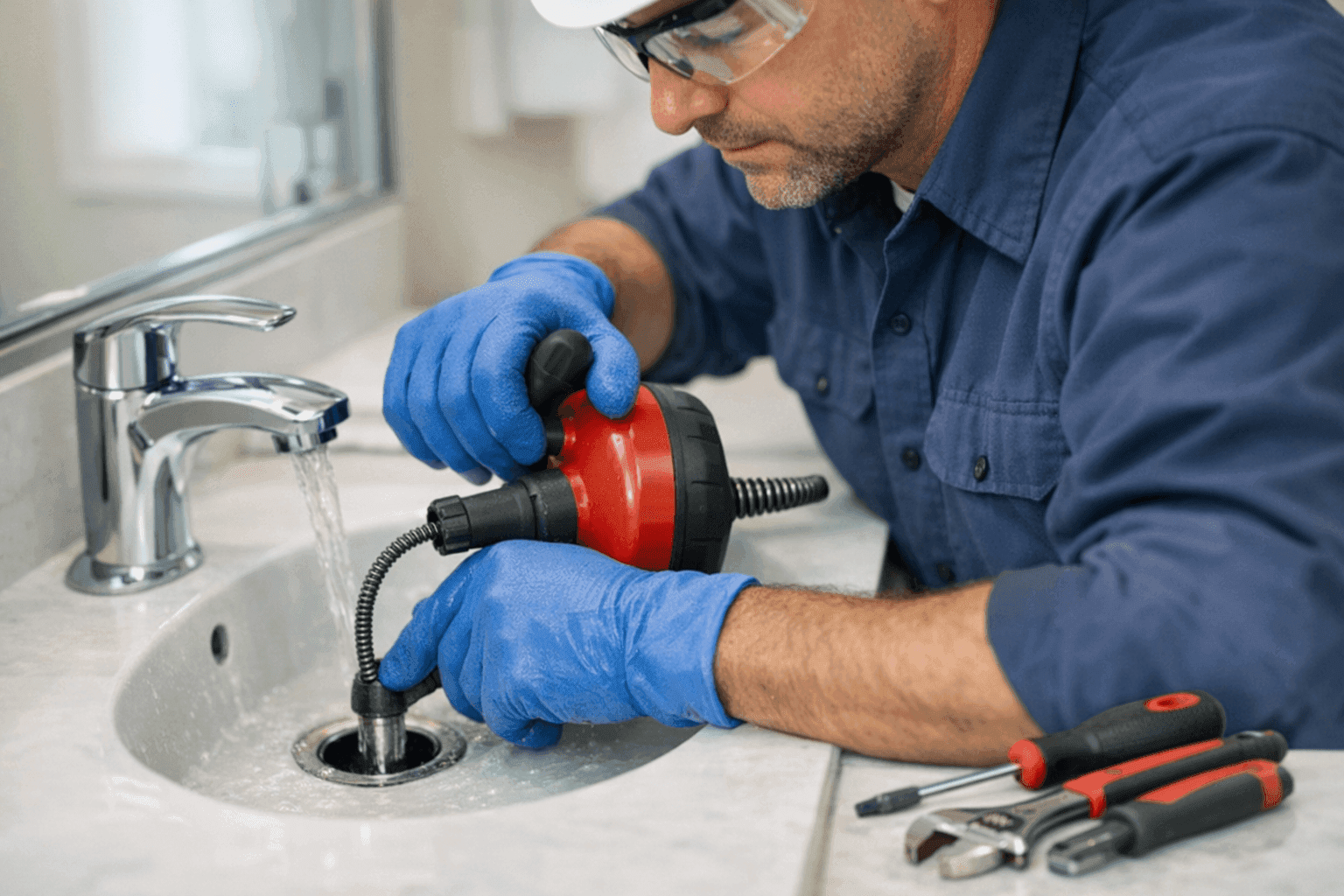
Keeping your drains clear is like keeping a river flowing—steady, reliable, and free of obstacles. When water backs up, it's more than an inconvenience. It's a warning sign your home or business can't afford to ignore.
At JJL Plumbing, we’ve seen every kind of clog and know the headaches they bring. A slow drain might seem minor today, but it can quickly turn into a flood of trouble. This guide will help you understand what causes clogs, how to clean drains safely, and when it’s time to call for professional plumbing help.
Common Causes of Clogs 🚿
Clogs form when something blocks the natural flow, like a fallen branch damming a stream. Most blockages have simple beginnings, and knowing their source is half the battle.
- Grease and Food Waste: In kitchen sinks, fats and oils cool and harden inside pipes. Even small amounts build up over time.
- Hair and Soap Scum: Bathroom drains are magnets for hair, soap, and toothpaste. These tangle into stubborn knots.
- Foreign Objects: Cotton swabs, floss, or children’s toys—if it fits down a drain, it can block one. Toilet paper overloads and wipes (even “flushable” ones) are frequent offenders.
- Mineral Buildup: Hard water leaves behind minerals that accumulate, especially in older pipes.
- Tree Roots: Outside, roots seek water and can break into sewer lines, causing major backups.
Regularly clearing these culprits keeps drains healthy. But sometimes, the problem runs deeper than what’s inside the pipe.
Safe DIY Cleaning Methods
Not every clog needs a call to the plumber. But before you reach for chemical drain cleaners, pause—those harsh formulas can eat away at your plumbing, harm the environment, and even void warranties. According to the Environmental Protection Agency (EPA), many over-the-counter drain cleaners can corrode pipes and create toxic fumes.
Try these safer options instead:
- Boiling Water: For grease or soap in kitchen plumbing, pour a kettle of boiling water down the drain in stages.
- Baking Soda and Vinegar: Pour 1/2 cup baking soda, followed by 1/2 cup vinegar. Wait 15 minutes, then flush with hot water. The fizz breaks down minor buildup.
- Plunger: A simple sink or toilet plunger creates suction to dislodge soft clogs. Use a firm push-pull motion.
- Drain Snake or Zip-It Tool: Flexible plastic or metal snakes reach hair and debris just beyond the drain.
Safety Tips:
- Always wear gloves.
- Never mix cleaners; toxic gas can form.
- If you’ve already tried a chemical cleaner, avoid plunging or snaking—it can splash caustic residue.
If these steps don’t clear things up, the blockage may be deeper or more severe.
Red Flags: When a Clog Needs More Than DIY
Some warning signs mean you’re dealing with more than a simple clog:
- Water backs up in multiple fixtures at once.
- Gurgling sounds from drains or toilets.
- Foul odors coming from pipes.
- Slow draining that persists after cleaning attempts.
- Water or sewage spilling onto floors.
If you notice these, stop using the affected fixtures and contact a professional right away. Clogs that resist basic cleaning may point to broken pipes, tree root invasion, or sewer line issues.
Preventive Habits for Healthy Drains 💡
Think of maintenance like brushing your teeth—small daily habits prevent big headaches later.
- Don’t Pour Grease Down Drains: Wipe out pans with a paper towel before washing.
- Use Drain Screens: Catch hair and food scraps before they enter pipes.
- Flush with Hot Water: Once a week, pour hot water down each drain to clear soap and residue.
- Limit Disposal Use: For garbage disposals, only grind soft food scraps—avoid bones, fibrous veggies, and coffee grounds.
- Educate Everyone: Teach kids and employees what can and can’t go down drains.
A little caution goes a long way to keep water flowing smoothly.
Quick Safety Checklist Before You Start
Before tackling any drain cleaning:
- Shut off water to the affected fixture if there’s overflow.
- Keep pets and children out of the area.
- Read all product labels—never mix chemicals.
- Open windows for ventilation if using cleaning solutions.
- Know where your main water shutoff is—just in case.
And remember: if you’re unsure, it’s safer to call for help.
What Plumbers Do When They Arrive
When JJL Plumbing arrives for a drain-cleaning job, we bring tools and experience that get to the root of the problem.
- Video Inspection: We use tiny cameras to look inside pipes—no guesswork or unnecessary digging.
- Professional Tools: From heavy-duty augers to hydro-jetting, we clear tough clogs without harming pipes.
- Full System Check: We look for signs of bigger issues, like cracked pipes or improper slope, and advise you on long-term solutions.
- Clean Work, Every Time: Our team leaves your space tidy and safe.
You get more than a quick fix—you get peace of mind.
DIY vs. Call a Pro: Know Your Limits
DIY methods are great for minor clogs, but when should you call for help?
Call JJL Plumbing if:
- Multiple drains are slow or backed up.
- You’ve used a plunger and snake with no result.
- You smell sewage or see water backing up.
- You suspect a broken pipe or tree root problem.
- The same drain clogs repeatedly.
It’s like changing a lightbulb versus rewiring your house—sometimes, the stakes are simply too high for guesswork.
Common Mistakes to Avoid
Many homeowners mean well but make mistakes that worsen clogs:
- Overusing Chemical Cleaners: Can damage pipes and harm septic systems.
- Shoving Tools Too Far: Risk puncturing or disconnecting pipes.
- Ignoring Small Leaks: Slow drips often point to larger problems behind the walls.
- Flushing “Flushable” Wipes: They may go down, but they rarely break apart fully.
When in doubt, ask a licensed plumber for advice.
Timeline & Disruption: What to Expect
Most basic clogs can be cleared in under an hour. Complex blockages, especially those involving main sewer lines, may take several hours and sometimes require follow-up.
Our team works efficiently to minimize disruption. For commercial clients, we offer after-hours service to keep your business running smoothly.
Costs & Time Factors
The cost of drain cleaning varies based on severity, location of the clog, and accessibility. Minor clogs are generally affordable, while deep or recurring blockages may require additional diagnostics or repairs.
Remember, routine maintenance is always less expensive than emergency repairs. The best investment is prevention.
When It’s an Emergency 🚨
If water is overflowing, sewage is visible, or you’ve lost all drainage, call JJL Plumbing immediately. Water damage can happen fast and lead to mold or structural issues.
Don’t try to tackle major backups alone—your safety and property are worth more than quick fixes.
Seasonal Considerations
- Spring: Roots grow aggressively after thaw, often breaking into older pipes.
- Summer: Increased use from guests or outdoor activities can strain systems.
- Fall: Leaves and outdoor debris block exterior drains.
- Winter: Pipes can freeze, crack, or burst—keep a close eye on slow drains as a warning sign.
Regular checks each season keep surprises at bay.
Frequently Asked Questions
How often should I clean my drains?
For most homes, a quick flush with hot water weekly and a deeper clean every 3–6 months is plenty.
Is it safe to use store-bought drain cleaners?
We don’t recommend it. The National Association of Home Builders warns that repeated use damages plumbing and can be hazardous.
What can I put down my garbage disposal?
Soft food scraps only. No bones, fibrous peels, grease, or coffee grounds.
Can I prevent clogs with additives?
Enzyme-based cleaners may help, but nothing replaces good habits and routine maintenance.
The Value of Preventative Maintenance
Think of your plumbing like a car—regular tune-ups save you from costly breakdowns. JJL Plumbing offers preventative checks tailored for homes and businesses. Whether it’s kitchen plumbing, backflow testing, or leak detection, we help you stay ahead of trouble.
Signs of Trouble: Don’t Ignore These
- Foul smells from drains
- Frequent backups
- Water stains or puddles under sinks
- Bubbling toilets when using sinks
- Gurgling noises after draining
Spotting issues early means faster, less invasive repairs.
Materials & Equipment: What You Need On Hand
- Plunger (cup or flange style)
- Drain snake or plastic “zip-it”
- Baking soda and vinegar
- Rubber gloves and bucket
- Drain screens for sinks and tubs
A small toolkit helps you tackle minor clogs without delay.
Local Plumbing Specialists—Ready When You Need Us
Whether you’re managing a busy restaurant or keeping your family’s home safe, JJL Plumbing is here to help. If you’re looking for a plumbing company in Salem or need routine Drain Cleaning, our licensed team is just a call away.
Call JJL Plumbing now — or reach us anytime at 855-552-2611 .