How to Choose the Right Plumber for Your Business
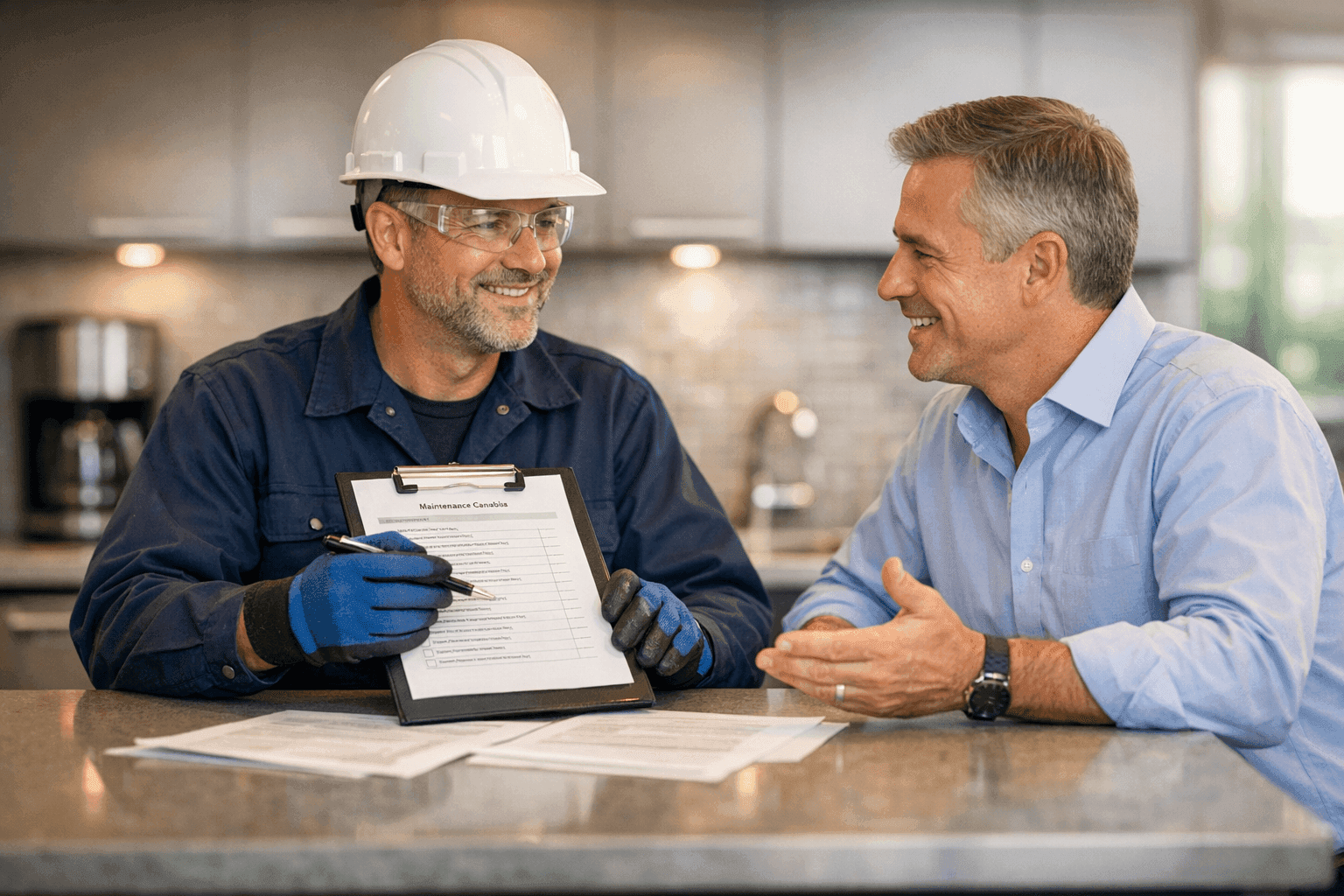
Running a business means juggling a thousand details. Plumbing shouldn’t be the one that throws everything off. When a leak erupts or toilets clog up, you need more than a quick fix. You need a partner you can count on.
At JJL Plumbing, we know commercial plumbing isn’t just about pipes and wrenches. It's about peace of mind. Here’s a clear, practical guide to help you find the right plumber for your business—no guesswork or shortcuts.
Why Commercial Plumbing is Different 🏢
Think of your business as a living body. The plumbing system is its circulatory system—if something gets blocked, the whole operation suffers. Commercial spaces have bigger demands than homes: more toilets, longer pipes, higher usage, and strict safety codes.
Ignoring these differences is like using a garden hose to put out a warehouse fire. You need someone who understands the stakes. According to the International Plumbing Code (IPC), commercial plumbing must meet higher standards for safety, pressure, and accessibility. Downtime can mean lost revenue, frustrated tenants, or even health violations.
Key Qualifications to Look For
Not all plumbers are equipped for commercial jobs. Before you invite anyone onto your property, check for:
- Licensing and insurance: A licensed plumber knows the latest codes and carries insurance to protect your business.
- Commercial experience: Ask about projects similar to yours. Repairing a restaurant’s garbage disposal isn’t the same as fixing a home’s kitchen sink.
- Certifications: Look for credentials from groups like the American Society of Plumbing Engineers (ASPE) or the Plumbing-Heating-Cooling Contractors Association (PHCC).
- Safety training: OSHA training and gas safety certifications are a must for businesses with complicated systems.
If you’re ever in doubt, ask to see proof. A reputable plumber won’t hesitate.
Questions to Ask Before You Hire
It's easy to get swept up by a friendly face or a low quote. But dig deeper. Here are some vital questions:
- What is your experience with businesses like mine?
- Will you provide a written estimate and timeline?
- How do you handle emergency plumbing situations?
- Will your team handle the job, or do you subcontract?
- Are you familiar with local codes and permits?
- Can you offer references from other business clients?
A good plumber will answer confidently and transparently, helping you avoid unwanted surprises.
Understanding Service Agreements
A handshake isn’t enough when your building’s water supply is at stake. Service agreements turn expectations into protection.
Look for terms that spell out:
- Scope of work: What’s included? Routine Preventative Maintenance, emergency repairs, annual checkups?
- Response times: How quickly can they arrive for a leak or gas line issue?
- Pricing: Are rates flat, hourly, or tiered based on the service?
- Renewal and cancellation: Can you end the contract if things aren’t working out?
- Liability: Who’s responsible for accidental damage or delays?
Service agreements are more than paperwork. They’re your insurance policy against future headaches.
Red Flags: When to Walk Away 🚩
Some plumbers sound great on the phone but fall short in person. Watch for these warning signs:
- No license or insurance: This is non-negotiable.
- Vague estimates: If they can’t break down costs, expect sticker shock later.
- Pressure tactics: Don’t be rushed into signing or paying.
- Lack of references: A trustworthy plumber will have happy clients willing to talk.
- Unmarked vehicles or lack of uniforms: It’s about professionalism and accountability.
If something feels off, trust your gut. There are plenty of reputable options.
DIY vs. Calling a Pro
Some plumbing issues seem like quick fixes. A slow drain, a tiny leak. But in a commercial setting, DIY can quickly spiral out of control. A minor clog could signal a bigger sewer line problem. An unchecked leak can lead to structural damage or even mold.
Call a professional for:
- Persistent leaks
- Sewer odors
- Low water pressure
- Recurring clogs
- Gas line concerns
For jobs like Pipe Repair or garbage disposal repair near you, skipping the pro can cost you more than you save.
What to Expect When the Plumber Arrives
A seasoned plumber isn’t just looking for the obvious. They’ll:
- Inspect the affected area and trace the problem to its source
- Check for code compliance
- Assess related systems (water pressure, shutoff valves, backflow devices)
- Suggest preventative steps to avoid a repeat call
You should expect a clear explanation of what’s wrong, your options, and a written estimate before work begins.
Prevention & Maintenance: Your Best Investment
A little prevention goes a long way. Just like you wouldn’t skip oil changes for your fleet, schedule regular plumbing checks. Preventative maintenance means catching corrosion, leaks, and pressure issues before they escalate.
Annual inspections, drain cleaning, backflow testing, and water heater flushes can save thousands in emergency repairs. The EPA recommends routine checks to avoid water waste and costly shutdowns.
Costs & Time Factors
Plumbing costs can vary as much as business models. A small pipe repair might take an hour; a full repiping could last days. Key factors that affect price:
- Job complexity (simple fix vs. full installation)
- Parts and materials required
- Emergency vs. scheduled work
- Accessibility of the plumbing
Request detailed quotes and timelines. Understand what’s included—and what’s not.
When It’s an Emergency
A burst pipe at 2 am? No business wants to deal with that. But emergencies happen. Choose a plumber who offers true 24/7 support, with clear after-hours policies. Confirm how quickly they can respond and what counts as an “emergency” in your contract.
Common Mistakes to Avoid
- Hiring based on price alone
- Ignoring commercial plumbing experience
- Skipping the background check
- Failing to read the service agreement
- Forgetting about ongoing maintenance
Avoid these, and you’re already ahead of the curve.
Signs of Plumbing Trouble
Don’t wait for a flood to act. Watch for:
- Dripping faucets or pooling water
- Unexplained spikes in your water bill
- Odd smells from drains
- Gurgling pipes or slow drains
- Stained ceilings or walls
Early action beats costly repairs every time.
Timeline & Disruption
Worried about downtime? Ask your plumber about the expected timeline and how they’ll minimize disruption. Experienced pros work around your business hours when possible, isolating affected areas and keeping you in the loop.
Materials and Equipment
Commercial plumbing often requires specialized parts: high-capacity water heaters, industrial-grade pipes, advanced filtration. Don’t settle for cut-rate materials. Ask what brands and standards your plumber uses. The best will follow ASTM and NSF standards for safety and durability.
Seasonal Considerations
Cold snaps, heavy rains, or even heat waves can stress your plumbing. Schedule pre-season inspections to check for vulnerable pipes, sump pump function, and water heater efficiency. It’s proactive, not paranoid.
Local Codes and Safety
Every municipality has its own plumbing codes. A reputable plumber stays current, pulling permits when required and following OSHA safety rules. This keeps your business legal and safe.
If you’re based in the area and need a dependable plumbing company, make sure they know the codes inside and out.
Plumbing problems don’t wait for a convenient time. With the right plumber, you can keep your business running smoothly, protect your investment, and avoid headaches down the road.
Call JJL Plumbing now — or reach us anytime at 855-552-2611 .