How to Install Plumbing Fixtures the Right Way
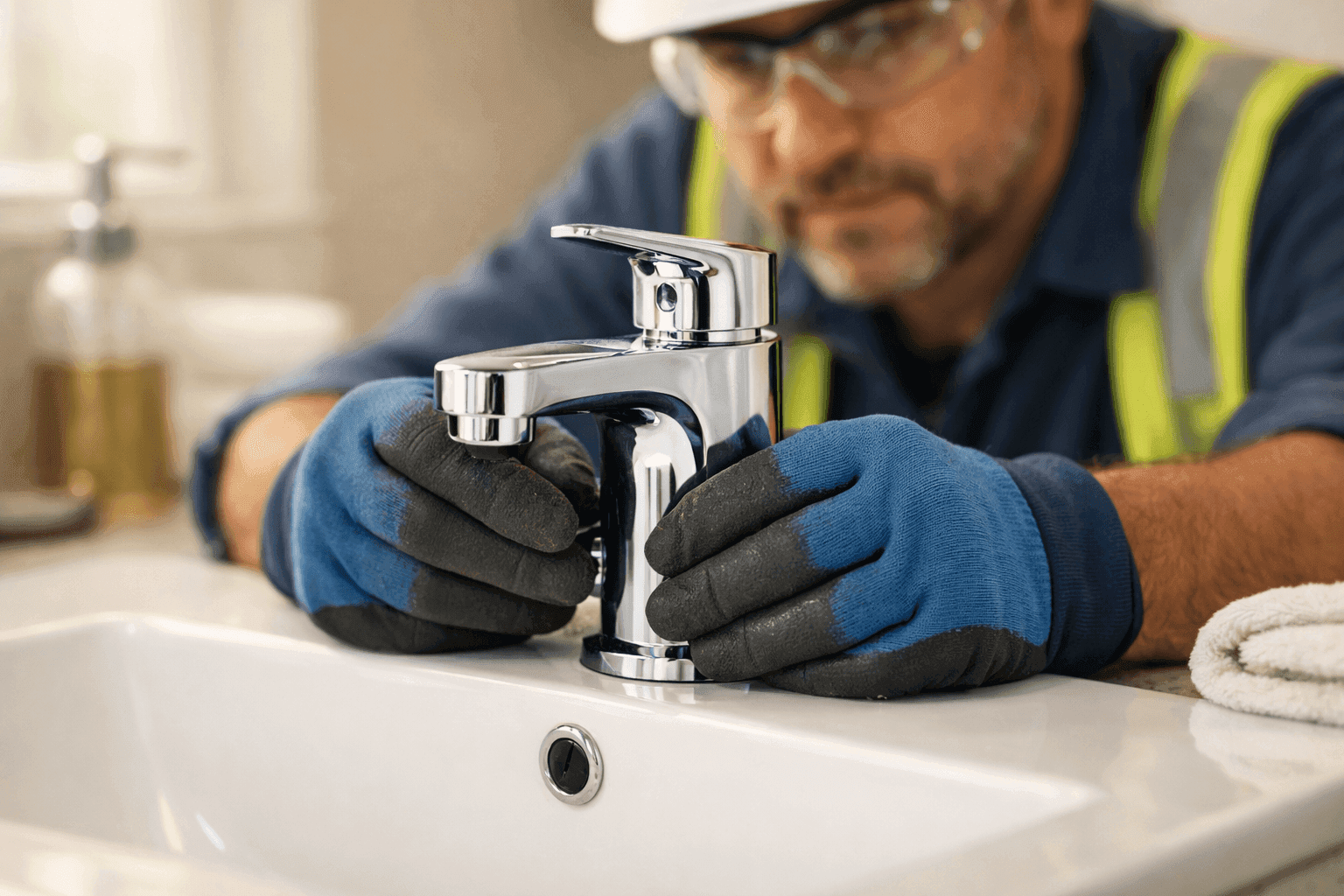
Installing a new faucet, sink, or toilet? It’s tempting to roll up your sleeves and dive in. But the truth is, getting it right can save you headaches, water damage, and costly fixes down the road.
At JJL Plumbing, we understand how important it is for both homeowners and businesses to have reliable, leak-free plumbing. Whether you’re replacing an old fixture or upgrading your whole bathroom, this guide will show you what it takes to do the job right—safely and efficiently.
Choosing Quality Fixtures
Think of your plumbing fixtures as the tires on your car. Go cheap, and you’ll be back in the shop before you know it. Quality matters.
- Look for solid materials: Brass, stainless steel, or durable ceramics last longer and resist corrosion.
- Check for certifications: Products that meet UPC, NSF, or WaterSense standards are safer and more efficient.
- Match style with function: Aesthetics count, but function always comes first. Make sure your fixtures fit your water pressure and space.
A good fixture should feel solid in your hand—not flimsy or hollow. If you’re unsure, ask for the product’s specifications or consult guidance from the International Association of Plumbing & Mechanical Officials (IAPMO).
Tools and Prep 🛠️
Before you start, gather your tools. Having the right gear is half the battle.
- Adjustable wrench
- Basin wrench (for tight spots)
- Plumber’s tape (Teflon tape)
- Bucket and rags
- Putty knife or utility knife
- Silicone sealant
- Level
- Pipe cutter (for new lines)
- Safety gloves and goggles
Tip: Always shut off water at the main or fixture valve. Open taps to release pressure and drain leftover water. Keep towels handy—leaks love surprises.
Step-by-Step Install: Faucet, Sink, Toilet
Installing a Faucet
- Remove the old faucet: Loosen mounting nuts under the sink. Disconnect water lines.
- Clean the surface: Scrape away old putty and mineral deposits.
- Place new faucet: Insert through mounting holes. Use plumber’s putty or silicone if manufacturer recommends.
- Secure and connect: Tighten mounting nuts by hand, then snug with a wrench. Attach water supply lines—don’t overtighten.
- Turn on water: Open valves and check for leaks.
Installing a Sink
- Dry fit: Place sink in the cutout. Ensure it sits level.
- Apply sealant: Run a bead of silicone or plumber’s putty along the edge.
- Set and secure: Lower sink into place. Clamp if needed. Wipe excess sealant.
- Connect drain and supply: Attach drain tailpiece, trap, and water lines.
- Test: Run water and check all joints for leaks.
Installing a Toilet
- Prep the flange: Remove old wax, check flange for cracks.
- Set new wax ring: Center it on the flange.
- Lower toilet: Align bolts and press down firmly.
- Bolt and connect: Tighten nuts—just enough to seal, not crack porcelain. Attach tank-to-bowl and supply line.
- Test flush: Check for rocking, leaks, and even fill.
Reference: Always review local plumbing codes—some require licensed installation for certain fixtures or connections.
Common Mistakes and How to Avoid Them 🚫
- Overtightening connections: Can crack porcelain or strip threads.
- Skipping plumber’s tape: Leads to leaks at threaded joints.
- Using wrong sealant: Not all fixtures use putty; some need silicone only.
- Mismatching supply lines: Flexible lines are forgiving, but make sure diameter and length fit.
- Ignoring water pressure: High pressure can damage new fixtures and void warranties.
Even seasoned DIYers miss a step now and then. If you hear gurgling, feel movement, or see water where it shouldn’t be, stop and reassess.
Quick Safety Checklist
Safety is non-negotiable. Double-check these before starting:
- Water supply is OFF.
- Power is OFF (for any fixture near outlets or if using electric tools).
- Area is dry and free of clutter.
- You have gloves, goggles, and a clear path to the door in case of emergency.
DIY vs. Calling a Pro
Some jobs are like changing a lightbulb. Others are like rewiring your house. Know your comfort zone.
DIY is reasonable when:
- Replacing a like-for-like faucet or showerhead.
- Swapping out a simple sink without moving plumbing.
- Installing a toilet on a solid, undamaged flange.
Call a pro if:
- You see rusted, cracked, or corroded pipes.
- Plumbing needs to be rerouted or new lines run.
- You’re dealing with gas lines, backflow preventers, or anything requiring a permit.
- You spot persistent leaks after install.
When in doubt, Fixture Installation is our specialty. Save yourself the stress and risk.
The Professional Arrival: What to Expect
When JJL Plumbing arrives, here’s what we do:
- Inspect existing plumbing for hidden leaks or code violations.
- Shut off and drain systems before work starts.
- Use drop cloths and shoe covers to protect your home or business.
- Test all new fixtures and connections before finishing up.
- Provide advice for long-term care.
Prevention & Maintenance
Routine checks can keep small problems from turning into big disasters.
- Inspect for leaks monthly, especially after installation.
- Clean aerators and showerheads to prevent buildup.
- Test shut-off valves—make sure they move freely.
- Schedule annual bathroom plumbing inspections.
This little bit of care can keep your fixtures running smoothly for years.
Costs & Time Factors
Installing a basic faucet or toilet may take 1-2 hours. But surprises—old pipes, tight spaces, or corroded fittings—add time and cost.
Budget for:
- New fixture and any required hardware.
- Supply lines and shut-off valves.
- Sealant, plumber’s tape, and safety gear.
- Potential disposal fees for old fixtures.
Commercial installs, or jobs needing code upgrades, may cost more. Always ask for a clear estimate up front.
When It’s an Emergency 🚨
Call for help if:
- Water won’t shut off—fast action prevents flood damage.
- You smell gas or see suspicious corrosion near gas appliances.
- There’s sewage backup or standing water after install.
- Pressure drops dramatically or you lose hot water.
Don’t wait. Safety and property protection come first.
FAQ: Your Fixture Installation Questions
Q: Do I need a permit to install a new toilet?
A: Usually not for simple swaps, but some municipalities require permits for moving pipes or major remodels. Check local codes.
Q: My faucet drips after install. What did I miss?
A: Likely a loose connection or skipped plumber’s tape. Double-check all joints.
Q: How do I know if my old shut-off valve is still good?
A: If it’s stuck or leaks when turned, replace it before installing a new fixture.
Seasonal Considerations
Winter can freeze pipes and make installs tricky. Summer brings construction dust and humidity. Always protect open plumbing from debris and temperature swings.
Signs of Trouble After Installation
- Water pooling under sinks or toilets.
- Strange noises in pipes or walls.
- Fixture feels loose, rocks, or moves when used.
- Musty odors near new installs.
Spot these? Take action now—early fixes save money.
Timeline & Disruption
Most installs wrap up in a few hours. But major remodels or pipe work can take a day or more. Protect floors, clear the work area, and plan for temporary shutoffs.
Materials & Equipment: What Pros Use
- Commercial-grade sealants and Teflon tape.
- Heavy-duty wrenches and pipe cutters.
- Water pressure gauges and leak detectors.
- Drop cloths and cleanup supplies.
Using the right tools is like using sharp scissors instead of kitchen knives—faster, safer, better results.
Final Thoughts: Assessing Job Complexity
If your project feels like building a bookshelf, you might be fine solo. If it feels like rewiring the house, bring in a licensed plumber. Always consider safety, code requirements, and the value of your time.
Ready to upgrade your fixtures or tackle a stubborn plumbing job? Call JJL Plumbing now — or reach us anytime at 855-552-2611 .