How to Spot and Repair Leaks Before They Cause Damage
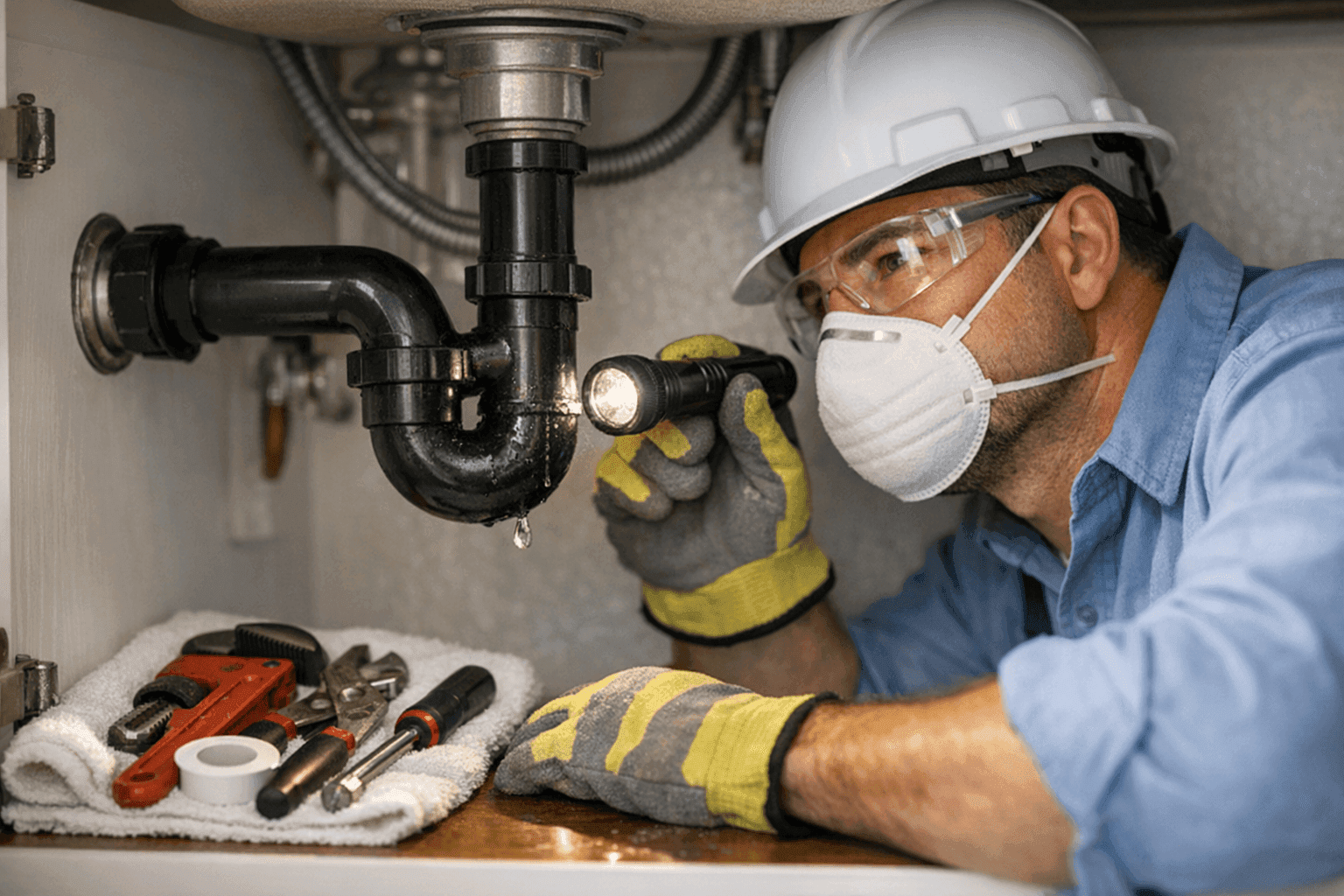
Everyone dreads the sound of dripping water when the house is quiet. It’s the heartbeat of a hidden problem, growing louder in your mind with every drop.
Leaks rarely shout for attention. Instead, they sneak up—behind walls, under floors, or inside cabinets—until one day, you’re facing swollen drywall or a puddle where your feet should be. If you’ve ever dealt with water damage, you know how quickly a little drip can flood into a big, expensive headache.
Most Common Leak Locations 🚰
Leaks love to hide. But they’re creatures of habit, often found in familiar spots:
- Under sinks: Supply lines and drainpipes can loosen or corrode.
- Toilets: Worn flappers or cracked tanks often cause slow, silent leaks.
- Water heaters: Check beneath and around the tank for moisture.
- Showers & tubs: Faulty caulking or loose plumbing connections.
- Basements & crawl spaces: Pipes here are exposed to temperature swings and shifting soil.
- Sewer lines: Tree roots and shifting ground can break underground lines.
- Garbage disposals: Seals and connections sometimes give out.
Knowing these spots is half the battle. The other half is knowing what to look for.
DIY Leak Checks
You don’t need special tools to start your investigation—just a sharp eye and a little patience.
- Look for stains: Dark spots on ceilings or walls signal trouble.
- Feel for dampness: Cabinets or floors that feel soft or musty are red flags.
- Listen: Sometimes, you’ll hear a faint hiss or drip, especially at night.
- Monitor your water bill: A sudden spike often means water is escaping somewhere.
- Toilet trick: Put a few drops of food coloring in the tank. If color appears in the bowl without flushing, you have a leak.
Go room by room. Open cabinets. Peek behind appliances. Lift area rugs. Listen with the lights off. Sometimes, your nose knows too—a persistent musty smell can be your first clue.
Temporary Fixes
Found a leak? Breathe. Most small leaks give you time to act before disaster strikes.
Here’s what you can do:
- Shut off the water: Twist the valve under the sink or behind the toilet. For bigger leaks, use the home’s main shutoff.
- Contain the water: Use towels, buckets, or pans to catch drips.
- Tighten connections: Gently snug up loose nuts or fittings with a wrench—but don’t overtighten.
- Use plumber’s tape: Wrap it around threads to slow minor leaks until help arrives.
- Patch pinholes: Epoxy putty, available at hardware stores, can buy you time on small pipe leaks.
Remember, these are bandages, not cures. Like patching a tire, they’ll get you to the shop—but not much further.
When Leaks Require a Pro
Some leaks are like icebergs—what you see is only a fraction of the problem. Call in plumbing specialists when:
- Water is gushing, not dripping.
- You can’t find the source.
- The leak is in a wall, ceiling, or floor.
- You suspect a sewer or gas line is involved.
- There’s mold, mildew, or a musty smell.
- The same leak keeps coming back, even after “fixes.”
A licensed professional from JJL Plumbing uses tools like acoustic leak detectors, thermal imaging, and pressure testing to pinpoint the issue. Not only does this save time, but it also prevents unnecessary damage to your home or business.
If you need a Leak Repair or have questions about Leak Detection, help is a call away.
Red Flags: Signs a Leak Is Lurking
Leaks leave clues. Watch for these:
- Unexplained puddles or wet spots
- Peeling paint or wallpaper
- Warped flooring or cabinets
- Persistent mold or mildew
- Sounds of running water when no fixtures are on
- Low water pressure
Even if you only notice one, don’t ignore it. Water always finds a way, and it rarely fixes itself.
Safety First: Quick Checklist 🛑
Before you poke around:
- Turn off electricity near wet areas.
- Dry your hands before touching valves.
- Wear gloves if you’re handling dirty water.
- Never mix chemicals trying to clear lines.
The National Association of Home Builders and the International Plumbing Code recommend regular inspection of plumbing systems. It’s not just about comfort—it’s about your property’s safety.
DIY vs. Call a Pro
Some repairs are like changing a lightbulb. Others are like rewiring the house. Ask yourself:
- Can I access the leak without cutting into walls or floors?
- Am I confident turning off the water and restarting it?
- Is this leak near electrical wiring, gas, or sewage?
- Is the fixture under warranty?
If you’re unsure, calling a plumbing company can save you money—and stress—in the long run.
What Pros Do On Arrival
When a professional plumber walks in, they:
- Assess visible and hidden damage
- Use moisture meters, cameras, and listening devices
- Test water pressure and flow
- Check for code compliance and safety risks
- Offer repair options and honest cost estimates
They don’t just fix the leak—they look for the cause, so you’re not patching the same spot again next month.
Prevention & Maintenance
An ounce of prevention is worth a pound of drywall. Here’s how to stay ahead:
- Inspect under sinks and around appliances monthly.
- Replace hoses and supply lines every 5–7 years.
- Test toilets for leaks twice a year.
- Insulate pipes before winter.
- Schedule a yearly plumbing checkup.
Simple steps keep leaks from sneaking up on you.
Costs & Time Factors
DIY fixes might cost only a few dollars. But hidden leaks—especially those that require opening walls or repairing floors—can run much higher.
- Minor fixes: $20–$100 (supplies, simple repairs)
- Professional repairs: $200–$750, depending on location and severity
- Major restoration: Water-damaged drywall or flooring can add thousands
Time matters. The longer a leak sits, the more damage it does—and the more it costs to fix.
When It’s an Emergency
If water is flowing uncontrollably, you smell sewage or gas, or there’s risk to electrical systems, it’s an emergency. Shut off the main water valve, leave the area if you smell gas, and call for emergency plumbing right away.
FAQ: Common Repair Questions
How do I find my main water shutoff?
Check near the water meter, usually in a basement, crawl space, or utility closet. It’s a round or lever-style valve.
How often should I check for leaks?
At least once a season, and after any major storm or freeze.
Is a slow drip serious?
Yes. Even a small leak can waste gallons a day and promote mold growth.
Can leaks increase my water bill?
Absolutely. Hidden leaks are a top reason for unexplained high bills.
Seasonal Considerations
Winter is tough on pipes—freezing expands water, which can split pipes wide open. In spring, thawing ground can shift pipes. Summer brings higher water use and stress on older plumbing.
Check your system at the start of each season, especially if your home or building is older.
Common Mistakes
- Ignoring small leaks
- Overtightening fittings (can crack pipes)
- Using the wrong materials (tape vs. sealant)
- Delaying professional help
Remember: a stitch in time saves nine. Or, in plumbing, a twist of the wrench can save a flood down the line.
Timeline & Disruption
Most minor leaks can be fixed in under an hour. Larger repairs—especially if walls or flooring need to be opened—can take a day or longer. JJL Plumbing always works to minimize disruption for both residential and commercial clients.
Materials & Equipment
For basic checks, all you need is a flashlight and your senses. For repairs: pliers, plumber’s tape, a bucket, and towels are a good start. Pros bring specialized tools for accurate leak detection and repair.
Final Thoughts
A leak might start as a whisper, but it can end in a roar. By learning to spot the early signs, using practical checks, and knowing when to call for help, you keep your property dry, safe, and sound.
Call JJL Plumbing now — or reach us anytime at 855-552-2611 .