Pipe Installation for New Construction and Remodels
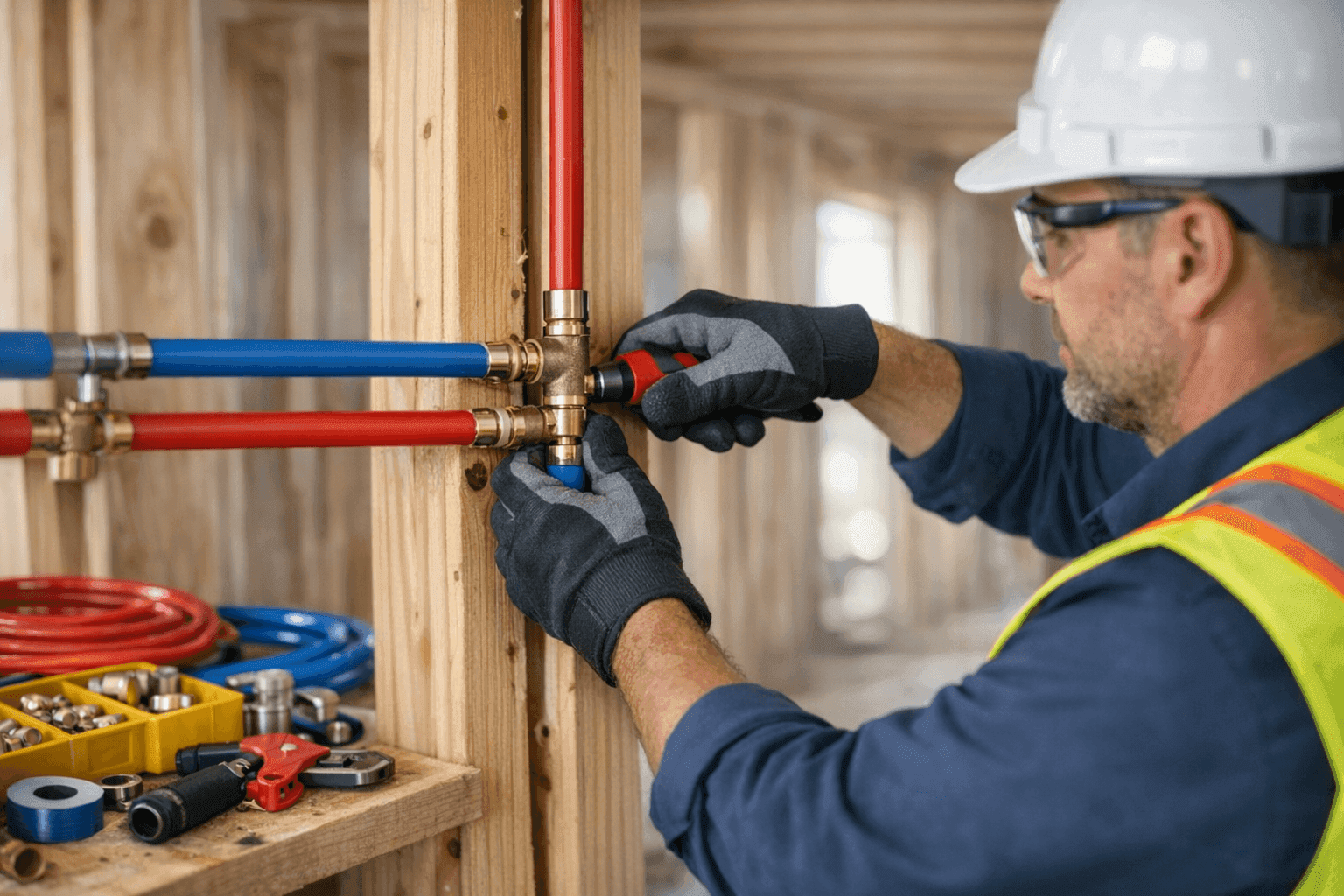
When building a new home or remodeling your kitchen or bath, the right plumbing makes all the difference. Pipes are like the hidden highways, carrying water and waste smoothly, out of sight but never out of mind when things go wrong.
Maybe you’re a homeowner dreaming of a fresh start, or a business owner planning the next chapter. Either way, understanding pipe installation is a smart move. Big decisions now mean less stress later.
Choosing Pipe Materials 🧰
Not all pipes are created equal. The material you choose is the backbone of your plumbing system. Think of it like picking tires for your car—they need to fit your needs, budget, and local climate.
Popular options include:
- Copper: Reliable, long-lasting, and resists bacteria. Slightly pricier, but a classic choice for water lines.
- PEX (cross-linked polyethylene): Flexible like a garden hose, easy to install, and great for tight spaces. Perfect for remodels.
- CPVC (chlorinated polyvinyl chloride): Handles hot water well. Used in many modern homes.
- PVC: Common for drain lines, not suitable for hot water.
- Galvanized steel: Found in older homes, but often replaced during repiping jobs due to corrosion risk.
Check with your city’s building department or review guidelines from the International Plumbing Code before you buy. Some regions have restrictions or preferences for certain materials.
Layout and Planning
Laying out your plumbing is like mapping a road trip for water. Proper planning saves headaches, money, and prevents future leaks.
Start by:
- Sketching out all fixture locations—sinks, toilets, showers, appliances.
- Identifying main supply and waste lines.
- Ensuring easy access to shut-off valves and cleanouts.
- Allowing for future upgrades, like adding a water filtration system or a new bathroom.
Work with your contractor or plumber to create a detailed plan. For commercial projects, blueprints and permits are a must. For residential builds, aim for simplicity and efficiency—shorter pipe runs mean fewer potential problems.
Installation Steps
Ready to get started? Here’s how the process usually unfolds:
- Prep the site: Remove debris, mark pipe routes, and open up walls or floors as needed.
- Measure and cut: Pipes must be measured with care. Even a half-inch off can throw everything out of alignment.
- Dry fit: Assemble pipes without glue or solder to check for fit and placement.
- Secure pipes: Use hangers and supports to keep everything steady.
- Join connections: Depending on the material, this might mean soldering, gluing, or using specialized fittings.
- Seal joints: Apply Teflon tape or pipe dope where needed to prevent leaks.
- Test the system: Always pressure test (more on that soon).
During each step, cleanliness matters. Dust or debris inside pipes can lead to clogs or contamination.
Inspection and Pressure Testing 🕵️
Before you close up walls or pour new concrete, every joint, bend, and connection should be checked. This isn’t the time to rush.
Typical inspections include:
- Visual inspection by a licensed plumber or city inspector.
- Pressure testing water lines to spot leaks before they become disasters.
- Air testing drain and vent lines.
Follow the guidelines set by the Uniform Plumbing Code or your local municipality. Water lines are usually tested to at least 80 psi for a set period, ensuring every fitting can handle daily use.
Common Code Issues
Building codes aren’t just red tape—they protect you from floods, contamination, and expensive repairs.
Frequent mistakes include:
- Using the wrong pipe size for fixtures.
- Skipping vent pipes, which can cause slow drains or sewer smells.
- Placing cleanouts in inaccessible spots.
- Mixing incompatible materials without proper adapters (for example, copper to galvanized steel).
- Ignoring minimum slope requirements for drain lines.
Refer to the International Association of Plumbing and Mechanical Officials (IAPMO) or your state’s plumbing code for specifics. When in doubt, ask your inspector or a licensed plumbing contractor.
Quick Safety Checklist
Safety first. Always.
- Wear protective gear—goggles, gloves, and sturdy footwear.
- Turn off main water and gas lines before starting.
- Ventilate the area, especially if soldering or cutting.
- Keep fire extinguishers nearby when using torches.
If you smell gas or see signs of water damage, stop and call a professional immediately.
DIY vs. Call a Pro
Installing pipes is more than just connecting Lego blocks. It takes skill, know-how, and the right licenses.
DIY might suit:
- Running short lengths of PEX for a simple fixture.
- Replacing a single section of drainpipe.
Call a pro for:
- New construction or major remodels.
- Gas line installation—mistakes here can be fatal.
- Commercial plumbing, which often requires special permits and inspections.
JJL Plumbing is ready to help with everything from pipe installation to full repiping projects.
Timeline & Disruption ⏳
Pipe installation can move quickly, but surprises happen.
Average timeframes:
- Small remodel: 1–2 days.
- Full new construction: 2–7 days, depending on complexity.
Plan for some noise, dust, and the occasional water shut-off. Good communication with your plumber keeps things on track.
Prevention & Maintenance
Once your new pipes are in, keep them healthy.
- Watch for drips or stains on walls and ceilings.
- Avoid chemical drain cleaners—they can eat away at pipes.
- Schedule annual inspections, especially for older systems or commercial buildings.
- Install water filtration to reduce scale buildup.
A little care goes a long way.
Costs & Budgeting
Budgets matter. Pipe installation costs depend on:
- Pipe material (copper costs more than PEX)
- Length and number of runs
- Access (finished walls vs. open framing)
- Labor rates in your area
- Any required upgrades, like backflow prevention
Ask for a written estimate and clarify what’s included.
When It’s an Emergency
Water spraying from a burst pipe? Strange smells from your gas line? These aren’t DIY moments.
Shut off the main valve, keep everyone clear, and call for Pipe Installation. Fast action can prevent serious damage.
Signs of Trouble Later On
Even new pipes can face issues if something was missed.
Watch for:
- Low water pressure in one or more fixtures.
- Slow drains or frequent clogs.
- Unusual noises—banging, rattling, or gurgling.
- Spikes in your water bill.
Address problems early to avoid major repairs.
FAQ: What Should I Ask My Plumber?
- What pipe materials do you recommend for my project?
- Will this work meet local code?
- How will you test for leaks?
- What’s the expected timeline?
- What maintenance do you suggest?
- Do you handle permits and inspections?
The right questions mean fewer surprises.
Seasonal Considerations ❄️
Cold winters? Pipes in exterior walls need extra insulation. Hot climates? Some plastics may degrade faster in heat.
JJL Plumbing always plans for Michigan’s freeze-thaw cycles, but wherever you live, climate matters.
Working With Inspectors
An inspector isn’t just a hurdle—they’re your ally. Their sign-off means your plumbing is safe, legal, and built to last.
- Schedule inspections at key stages: before walls close, after major connections, and after pressure tests.
- Keep plans and permits handy.
- Fix any issues promptly.
Pipe Installation for Any Project
Whether you’re starting fresh or breathing new life into an old building, smart pipe installation sets the tone for everything else. If you need plumbing services that handle every detail, JJL Plumbing is here to help.
Call JJL Plumbing now — or reach us anytime at 855-552-2611 .