Preventative Plumbing Maintenance for Every Season
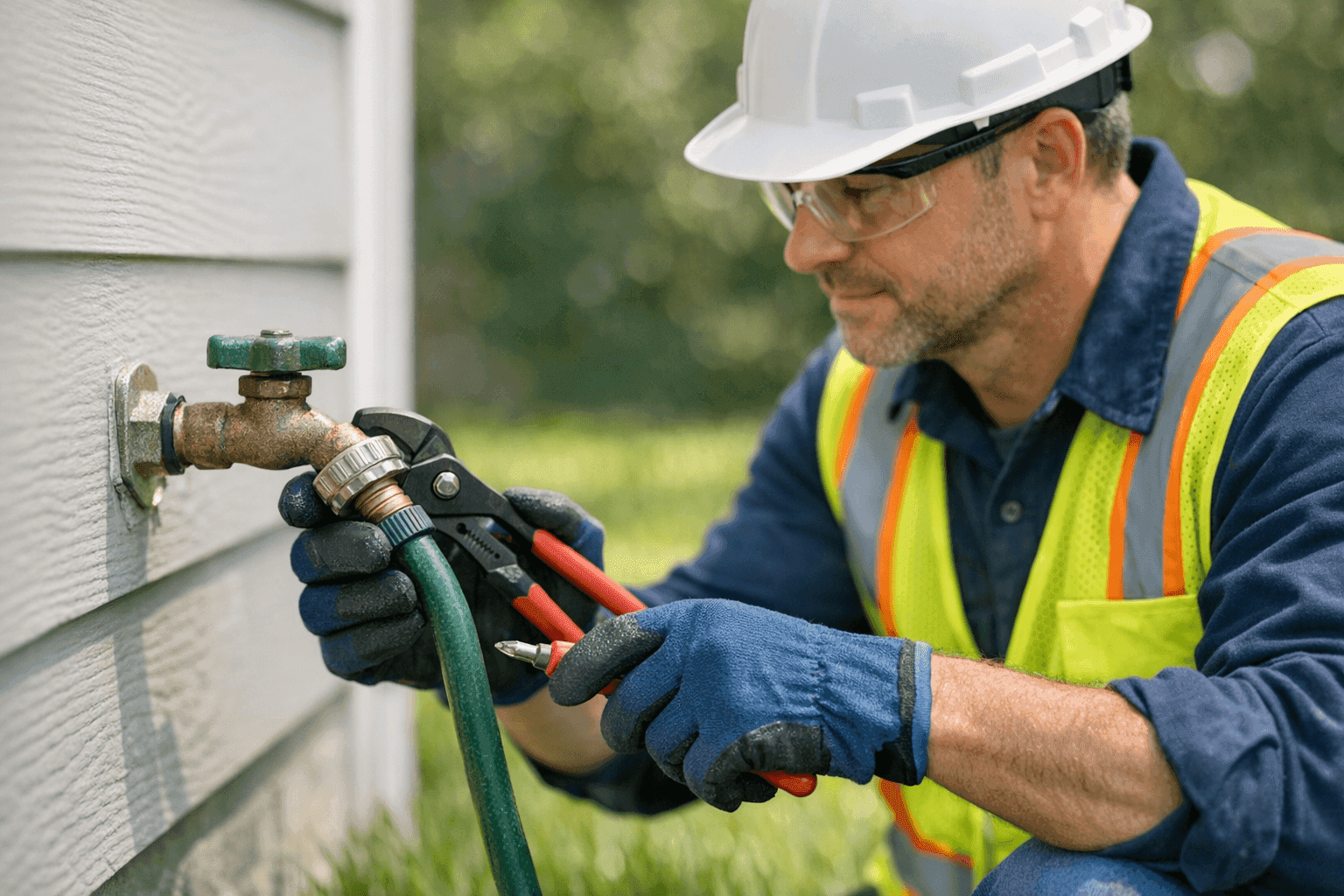
Is your plumbing ready for whatever the season throws at it? At JJL Plumbing, we see the same story play out every year—unexpected leaks, clogs, and breakdowns that could have been stopped with a little timely TLC. Good news: with a few seasonal habits, you can keep your home or business flowing smoothly and avoid costly surprises.
Think of plumbing maintenance like brushing your teeth. It’s not flashy, but skipping it can lead to big headaches. Here’s what you need to know, season by season, to keep things in check—and when to ask for help.
Spring Plumbing Checklist 🌱
Winter’s thaw uncovers hidden problems. Pipes are like garden hoses: after a long freeze, they may be brittle or cracked.
- Inspect for Leaks: Check under sinks, around toilets, and outdoor faucets for drips or puddles.
- Test Water Pressure: Low pressure could mean a hidden leak or sediment in your lines.
- Clear Gutters and Drains: Melting snow and spring rains can overwhelm your drainage if debris is blocking the way.
- Check Sump Pump: Pour a bucket of water into the pit—does it run? If not, schedule a preventative-maintenance visit.
- Flush Water Heater: Sediment builds up over winter. Draining a few gallons can extend its life.
If you spot anything odd, don’t wait—small leaks often grow fast.
Summer Plumbing Checklist ☀️
Warm weather means higher water use. Like traffic jams after a big event, your pipes can get overwhelmed.
- Inspect Hoses and Outdoor Faucets: Look for leaks where hoses connect. Replace washers if needed.
- Monitor Sprinkler Systems: Broken heads can waste gallons of water daily.
- Address Slow Drains: Clogs worsen with heavy use. Tackle them early or call for pipe-repair.
- Check for Mold: Humidity plus hidden leaks can mean mold behind walls or under sinks.
Summer is also a good time to plan upgrades—new fixtures, water filtration, or a more efficient water heater.
Fall Plumbing Checklist 🍂
Leaves fall, and so can your plumbing’s guard. Like a squirrel preparing for winter, now’s the time to get ready.
- Insulate Exposed Pipes: Especially those in unheated garages, basements, or crawlspaces.
- Test Sump Pump Again: Heavy autumn rains can flood basements.
- Drain Outdoor Faucets: Shut off valves inside and open exterior spigots to prevent freezing.
- Check Water Heater: Make sure it’s ready for heavier winter use—look for rust, corrosion, or strange noises.
- Schedule a Sewer Line Inspection: Tree roots seek water and can clog or damage pipes as the ground cools.
A little prep now beats an emergency later.
Winter Plumbing Checklist ❄️
Frozen pipes are like frozen chocolate bars—they crack when you least expect it.
- Keep Heat On: Even when away, don’t let your property drop below 55°F (13°C).
- Let Faucets Drip: A slow trickle on cold nights keeps water moving and prevents freezing.
- Open Cabinet Doors: Let warm air circulate around pipes under sinks.
- Check Boiler and Water Heater: Sudden breakdowns can mean cold showers or worse.
- Watch for Frosty Pipes: If you see frost on an exposed pipe, warm it gently with a hair dryer (never a torch).
At the first sign of trouble—no water, bulging pipes, or leaks—call for help fast.
Common Seasonal Risks
Every season has its own plumbing troublemakers. Some are obvious. Others hide until it’s almost too late.
- Frozen Pipes (Winter): Can burst, causing major water damage.
- Backed-Up Drains (Spring/Fall): Heavy rainfall or leaves block drains, leading to flooding.
- Tree Root Intrusion (Year-Round): Roots grow toward sewer lines and can break or clog them.
- Low Water Pressure (Any Season): Could signal a leak, corrosion, or municipal issues.
- Water Heater Failure (Winter): More demand, older heaters struggle.
The Plumbing-Heating-Cooling Contractors Association (PHCC) reminds property owners: regular checks are key for safety and code compliance.
Emergency Prevention Tips
Emergencies move fast—think of a leak as a runaway train. Here’s how to slow it down:
- Know Your Main Shut-Off Valve: Mark it clearly. Show everyone in your home or staff where it is.
- Keep Tools Handy: A plunger, wrench, and bucket can stop a problem from growing.
- Don’t Ignore Warning Signs: Gurgling drains, musty smells, water stains—address them early.
- Have a Plan: Post emergency contacts and steps in a visible spot.
If you’re not sure what to do, call a plumbing company before the problem grows.
Professional Maintenance Steps
Some plumbing jobs need more than elbow grease. Here’s what JJL Plumbing pros do on a preventative-maintenance visit:
- Full visual inspection—pipes, fixtures, water heater, and more.
- Test for hidden leaks with advanced sensors.
- Clean drains and traps to keep water moving.
- Check gas lines, boiler, and water heater for safe operation.
- Inspect backflow devices to meet local codes.
- Advise on upgrades for efficiency or safety.
These steps are based on standards from the International Plumbing Code and local building guidelines.
DIY vs. Call a Pro
DIY can save money, but some fixes are like patching a dam with bubblegum—short-term at best.
- DIY: Unclogging drains, replacing washers, flushing water heaters, basic inspections.
- Call a Pro: Sewer line issues, persistent leaks, gas lines, water heater repair, backflow testing, or anything involving code compliance.
If you’re ever unsure, better safe than sorry.
Signs of Plumbing Trouble
Catch these early and you’ll dodge expensive repairs:
- Unusual noises (banging, whistling, gurgling)
- Persistent clogs or slow drains
- Water stains on ceilings or walls
- Musty smells (could be mold)
- Unexpected spike in your water bill
Notice any of these? Time to act.
Common Mistakes to Avoid
- Neglecting maintenance: Small issues turn into big ones.
- Overusing chemical drain cleaners: Can eat through pipes.
- Ignoring leaks: Even a small drip wastes thousands of gallons a year.
- Forgetting seasonal prep: Skipping insulation or letting pipes freeze.
Stay ahead by setting reminders for each season.
Frequently Asked Questions
How often should I schedule a plumbing check-up?
At least once a year, or at the start of each major season for older homes.
Are there plumbing codes I should know about?
Yes, every city and state has its own. The International Plumbing Code is a good starting point.
Can JJL Plumbing help with both homes and businesses?
Absolutely. We serve both residential and commercial clients.
What if I have no hot water suddenly?
Check your breaker first. If it’s not tripped, call us—it could be a water heater issue.
Costs & Time Factors
Preventative maintenance usually takes 1–2 hours, depending on the size of your property. Most fixes—like replacing washers, tightening connections, or cleaning drains—are low cost compared to the price of major repairs after a flood or burst.
Timeline & Disruption
We schedule around your needs. Most visits are minimally disruptive. For larger projects (like repiping or sewer line work), you’ll get a clear timeline before we begin.
Materials & Equipment
We use code-compliant, high-quality parts for every job. Tools include leak detectors, video inspection cameras, and more. For DIYers, stick to wrenches, plungers, and basic hand tools—leave the big stuff to us.
Why Choose Scheduled Maintenance?
It’s like changing the oil in your car—regular care keeps everything running longer, safer, and more efficiently. Don’t wait for disaster.
If you’re in the area and need reliable plumbing services in Charleston, our team is here to help.
Call JJL Plumbing now — or reach us anytime at 855-552-2611 .