Repiping Your Home: When Is It Time?
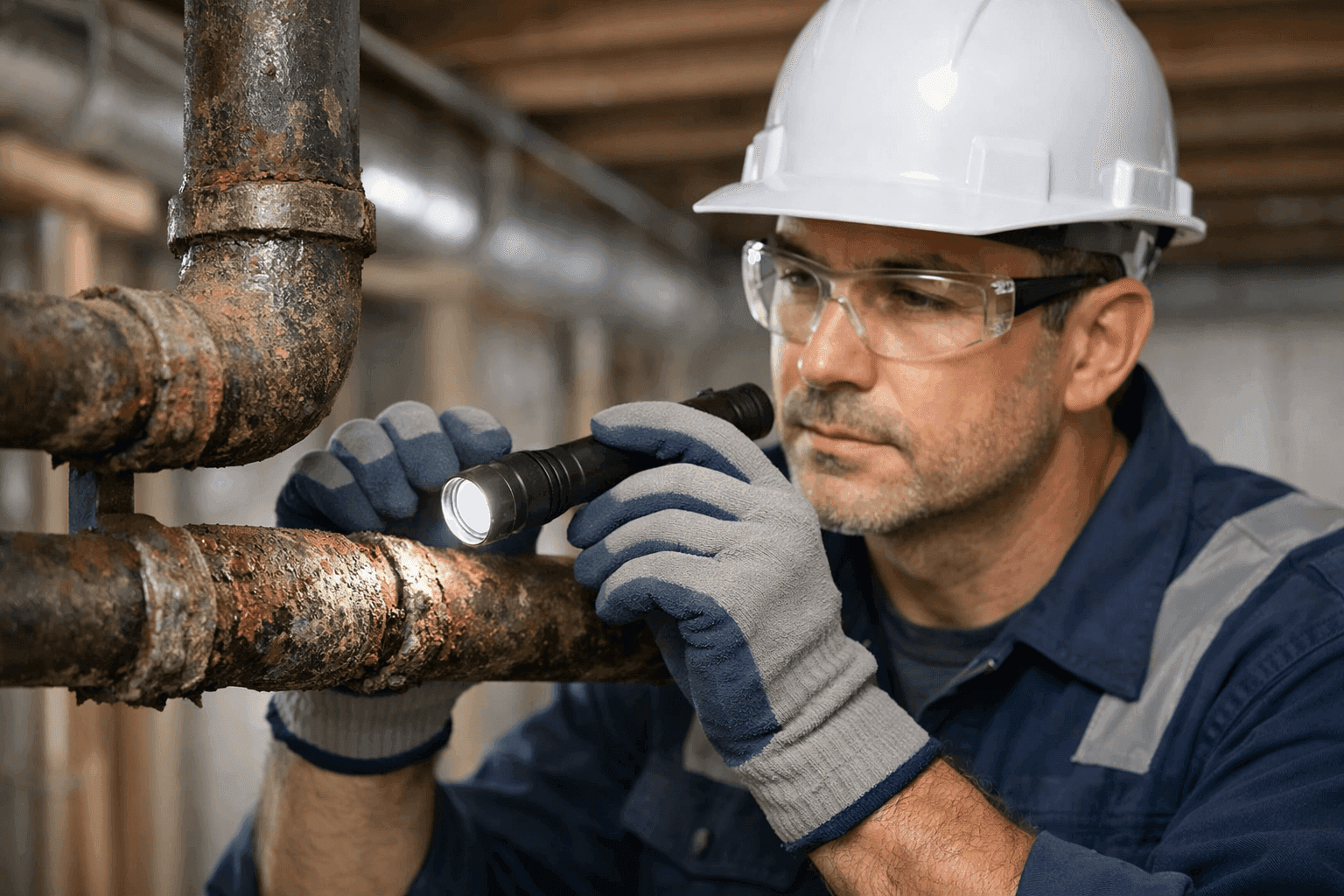
Is your house trying to tell you something? Maybe you’re tired of rusty water, or that stubborn leak just keeps coming back. Plumbing issues can sneak up quietly, but sometimes, the writing’s on the wall—literally. If you’re hearing odd noises, seeing stains, or feeling the pinch of weak water pressure, it might be time to look beneath the surface.
At JJL Plumbing, we help homeowners and businesses cut through the confusion. Repiping isn’t just a fix—it’s a long-term investment in safety, comfort, and peace of mind.
Lifespan of Common Pipe Materials 🏡
How long should pipes last? It depends on what’s running through your walls. Think of plumbing like the veins of your home—they age, just like we do.
- Galvanized Steel: Once the go-to, these pipes tend to last 40–60 years. Corrosion is their downfall.
- Copper: Durable and reliable, copper usually gives you 50+ years, sometimes even 70.
- Brass: Another workhorse, brass can last up to 70 years, but it’s rare in newer builds.
- PVC/CPVC: Modern plastics are popular for their resistance to rust, but expect 25–40 years before they get brittle.
- PEX: Flexible and easy to install, PEX can last 40+ years if not exposed to sunlight.
Building codes (like those from the International Association of Plumbing and Mechanical Officials) set minimum standards, but real-world conditions—water quality, pressure, temperature—can shorten the clock.
Warning Signs: Leaks, Discoloration, Low Pressure 🚨
How do you know when your pipes are waving a red flag? Some signs are obvious, others not so much.
- Frequent Leaks: One leak might be a fluke. Several? The system is failing.
- Discolored Water: Brown, yellow, or red water signals rust or sediment from corroded pipes.
- Low Water Pressure: If showers are weak or faucets barely trickle, pipes could be clogged or leaking.
- Visible Corrosion: Green stains on copper, reddish-brown on steel—these are warning lights.
- Noisy Pipes: Banging, rattling, or gurgling often means pressure problems or loose fittings.
- Unpleasant Odors: Bad smells from taps or drains can point to decaying pipes.
If you spot any of these, it’s time to consider your options. Don’t wait for a small issue to turn into a flood.
The Benefits of Repiping
Why invest in repiping? Here’s how your home or business wins:
- Consistent Water Pressure: No more weak showers or slow-filling sinks.
- Clean, Clear Water: Say goodbye to rust and sediment.
- Fewer Leaks: New pipes mean less risk of costly water damage.
- Boosted Property Value: Repiping is a strong selling point for buyers.
- Peace of Mind: Sleep better knowing your plumbing is built for the long haul.
Repiping brings your system up to code and often reduces insurance risks. It’s like changing all the tires on your car at once—no more surprise blowouts.
What to Expect During Repiping
Worried about the mess? Here’s how the process usually unfolds:
- Assessment: A professional plumber inspects your system and maps out the job.
- Preparation: Furniture is protected, and access points are planned to minimize disruption.
- Old Pipe Removal: Only small sections of wall or ceiling are opened as needed.
- Installation: New pipes—copper, PEX, or CPVC—are carefully routed.
- Testing: Every connection is checked for leaks and proper flow.
- Restoration: Walls and ceilings are patched, and your space is cleaned up.
Most homes are done in a week or less. You may have water interruptions, but plumbers often schedule these for minimum inconvenience.
When Should You Consider Repiping?
If your home is over 50 years old and still has its original pipes, it’s time to think about a full update. But age isn’t the only clue. Persistent leaks, visible corrosion, or water that feels “off” all point to bigger problems.
For businesses, the stakes are even higher. Leaks can disrupt operations and cost thousands in repairs or lost productivity.
Quick Safety Checklist
Before repiping starts, make sure:
- All water and gas lines are clearly marked.
- Valves are tested for proper shut-off.
- Smoke detectors are working if walls or ceilings are being opened.
- Contractors are licensed and familiar with code requirements (like those from the Uniform Plumbing Code).
DIY vs. Call a Pro
Some repairs are DIY-friendly. Repiping is not one of them. Cutting into walls, working with multiple pipe materials, and connecting to municipal systems all require skill. Mistakes can mean leaks, water damage, or serious safety risks.
A licensed plumber brings the right tools, materials, and experience. Hiring a professional also ensures compliance with local ordinances and national safety codes.
What Pros Do on Arrival
Expect your plumber to:
- Inspect visible pipes and fixtures.
- Test water pressure and flow.
- Check for hidden leaks using moisture meters or infrared cameras.
- Explain the process, timelines, and materials.
- Provide a clear, written estimate.
With JJL Plumbing, you’ll always know what’s happening and why.
How to Prepare for Repiping
A little prep goes a long way:
- Clear access to attics, crawl spaces, and utility rooms.
- Remove items from under sinks and near walls.
- Plan for a few hours of water shut-off each day.
- Communicate any schedule needs with your plumber.
Costs & Time Factors
Repiping isn’t cheap, but neither is ongoing repair. Costs depend on:
- Pipe material (copper is pricier than PEX, for example).
- Size and layout of your home or business.
- Local code requirements.
- Accessibility (finished basements or tight crawl spaces may add time).
Expect to spend $3,000–$10,000 for most homes, with the investment paying off in reliability and fewer emergencies.
When Is It an Emergency?
Burst pipes, water gushing from the ceiling, or sudden loss of water pressure mean it’s time to call for emergency plumbing. Immediate action limits damage and keeps your property safe. JJL Plumbing offers emergency plumbing services if you need urgent help.
Seasonal Considerations
Cold weather is tough on pipes, especially older ones. Freezing can cause cracks or bursts. If your pipes have already seen decades of winters, consider repiping before the next freeze.
Common Mistakes to Avoid
- Ignoring the signs—delayed repairs always cost more.
- Choosing the cheapest materials or unlicensed labor.
- Skipping a full system assessment.
- Overlooking code upgrades and permits.
Timeline & Disruption
Worried about living through a renovation? Most repiping jobs are completed in stages, with water restored at the end of each workday. Communication is key—your plumber should keep you updated and minimize surprises.
Materials & Equipment
Not all pipes are created equal. Copper remains a favorite for durability and safety. PEX and CPVC are budget-friendly and quick to install but may not suit every situation. A professional will recommend what’s best for your building, water quality, and budget.
Preventative Maintenance After Repiping
Once your new pipes are in, keep them healthy:
- Regularly check for leaks or drips.
- Schedule annual plumbing inspections.
- Address minor issues before they snowball.
Preventative maintenance keeps your investment working for decades.
FAQ: Repiping Edition
Will I need to move out during repiping?
Usually not. Most families or businesses can stay put, with only minor daily interruptions.
Will my water bills go down?
Many customers see lower bills thanks to leak elimination and improved flow.
Can I repipe just part of my building?
Yes, but full repiping often makes more sense in the long run.
What about code compliance?
A professional plumber ensures all work meets local and national codes.
Get Reliable Plumbing—For Good
If you’re noticing leaks, water stains, or rusty water, it’s time to think about your next steps. Repiping isn’t just about fixing pipes—it’s about protecting your home, family, or business from costly surprises.
For trustworthy advice and skilled service, JJL Plumbing is here to help. We proudly serve the community and offer a full range of repiping and pipe repair options. For those in Wyoming, our plumbing company stands ready to help you with any size project.
Call JJL Plumbing now — or reach us anytime at 855-552-2611 .