Sewer Line Repair: Causes, Methods, and Prevention
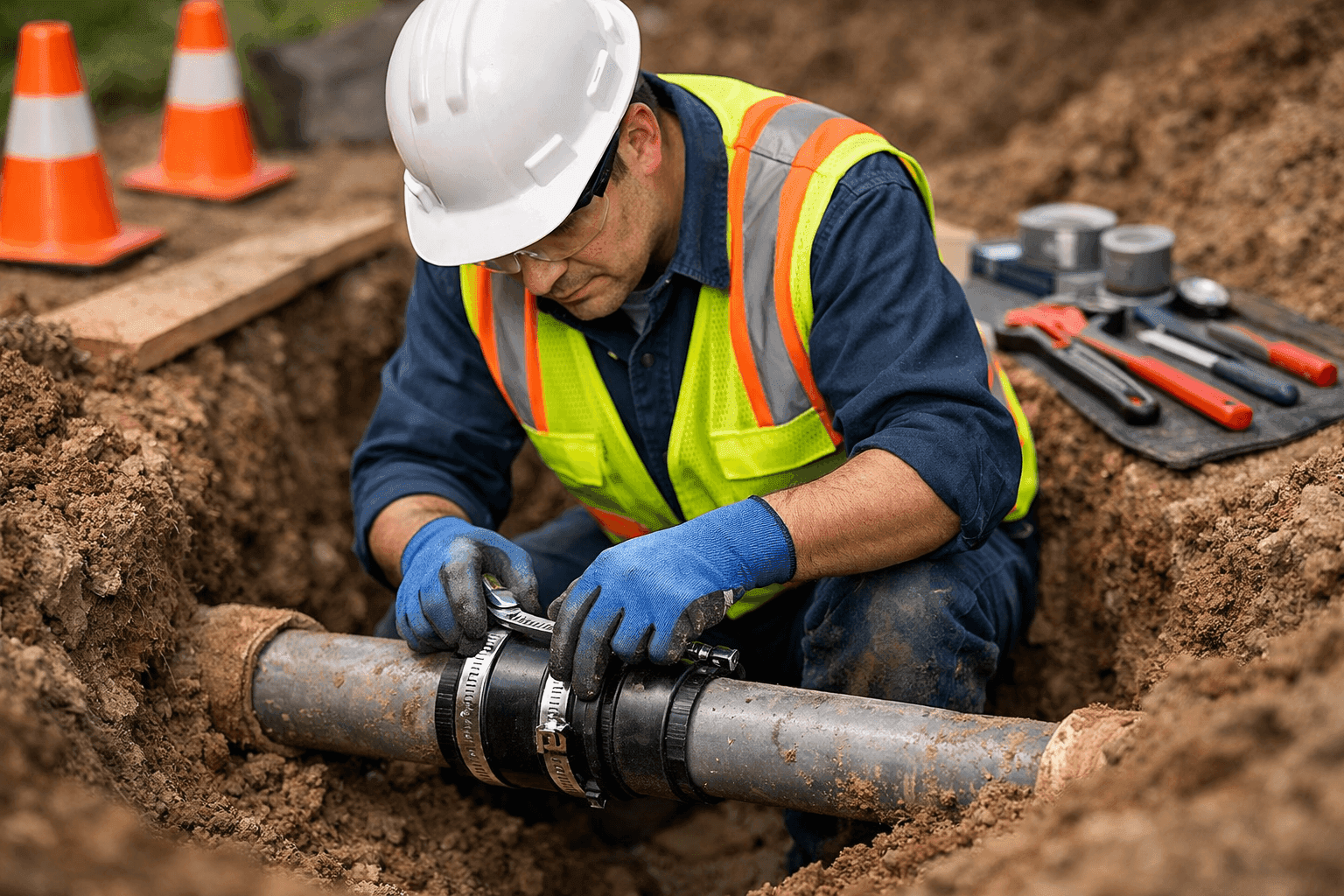
Is your yard suddenly soggy, or does the bathroom smell like a rotten egg? Sewer line problems aren’t just gross—they can grind daily life to a halt. For both homes and businesses, sewer line issues demand swift, professional plumbing attention.
At JJL Plumbing, we know just how disruptive and stressful these situations can be. You want clear answers, effective solutions, and honest advice. Let’s break down the facts so you can make smart choices for your property.
Signs of Sewer Line Damage 🚨
Sewer lines don’t wave red flags, but they do leave clues. Watch for:
- Gurgling drains or toilets (like a coffee pot percolating)
- Unusual, persistent sewer odors indoors or out
- Slow-draining sinks, tubs, or showers
- Water pooling in the yard or basement, especially with no obvious leak
- Repeated toilet clogs or backups, even after plunging
- Lush green patches in the lawn (where you haven’t fertilized)
If you spot several of these signs, your plumbing may need a Sewer Line Inspection to pinpoint the source.
Root Causes: Why Sewer Lines Fail
Sewer lines are like arteries for your property. When they clog or break, everything downstream suffers. Here’s what usually goes wrong:
Tree Roots: Nature’s Unstoppable Force
Tree roots love the moisture and nutrients in sewer pipes. Even small cracks invite roots inside. Over time, they weave a tangled net, blocking flow and splitting pipes. Think of it as nature’s way of slow-cooking a plumbing nightmare.
Aging Pipes: Time Takes Its Toll
Old pipes—especially clay, cast iron, or Orangeburg—become brittle and crack. Corrosion eats away at metal. Joints loosen. After a few decades, even the best pipes can crumble.
Blockages: What Goes Down Can Come Back Up
Grease, wipes, hygiene products, and other debris don’t break down easily. Over months or years, they form stubborn plugs. Sometimes, blockages form at pipe joints or low spots, causing backups and slow drains.
Quick Safety Checklist
Before you do anything:
- Keep kids and pets away from soggy or smelly spots.
- Avoid using sinks, toilets, or washing machines if you suspect a sewer backup.
- Wash hands after any contact with contaminated water.
- Don’t try to clear major blockages with chemical drain cleaners—they can worsen pipe damage.
- If you smell gas or see wastewater bubbling from the ground, leave and call for emergency plumbing help.
DIY vs. Call a Pro
Some clogs are minor and can be handled with a plunger or basic drain snake. But if you’re facing recurring backups, foul smells, or soggy yards, it’s time for professional help.
Trying to tackle major sewer repairs yourself is like performing surgery with a butter knife. Not only is it risky, but it’s also likely to make things worse.
What Pros Do On Arrival
A professional plumbing contractor starts with a Sewer Line Inspection. Using specialized cameras, we snake through your pipes and see the exact cause—roots, grease, cracks, or collapsed sections.
Once we pinpoint the issue, we’ll recommend the best repair option for your property and budget.
Repair and Replacement Options
No two sewer lines fail the same way. Here are the main techniques plumbers use:
Traditional Excavation
- How it works: Dig up the yard (or affected area) to expose and replace the damaged pipe.
- Pros: Most reliable for badly collapsed or crushed pipes.
- Cons: Disruptive, messy, and may damage landscaping or driveways.
Trenchless Sewer Repair (Pipe Lining & Bursting)
- How it works: Insert a resin-soaked liner or burst the old pipe from within, pulling a new pipe into place.
- Pros: Less digging, faster restoration, preserves landscaping.
- Cons: Not suitable for pipes with severe misalignment or extreme damage. Sometimes costs more upfront.
Spot Repairs
- How it works: Targeted repair of a small damaged area.
- Pros: Less disruption, cost-effective for isolated problems.
- Cons: Won’t solve widespread deterioration.
Each method has trade-offs. Honest pros will explain which solution fits your needs, rather than pushing the priciest fix.
Costs & Time Factors
Every job is unique. Costs depend on:
- Length and depth of the damaged pipe
- Soil type and accessibility
- Method chosen (excavation vs. trenchless)
- Extent of landscaping or hardscape restoration
Simple spot repairs can take a few hours. Full replacements may need several days, especially for complex commercial plumbing systems.
When It’s an Emergency
Raw sewage in your home or business is always an emergency. It’s a health hazard and can damage floors, walls, and belongings. Fast response is crucial—JJL Plumbing offers emergency plumbing services for urgent sewer line repair near you.
Timeline & Disruption: What to Expect
- Inspection and diagnosis: 1–2 hours
- Permitting (if needed): 1–3 days (varies by city code)
- Repairs: 1 day for spot fixes, up to a week for full replacements
You may need to limit water use during repairs. We’ll always keep you informed so you can plan ahead.
Common Mistakes to Avoid
- Ignoring early warning signs until disaster strikes
- Using harsh chemicals that corrode pipes
- Planting trees too close to sewer lines
- Flushing wipes or “flushable” products (they’re not really flushable!)
- Choosing the cheapest fix over one that truly solves the problem
Preventing Future Issues 🌱
A little prevention goes a long way. Here’s how to keep your sewer line healthy:
- Schedule regular sewer line inspections, especially for older properties or after major landscaping changes.
- Avoid planting trees or large shrubs within 10 feet of sewer lines.
- Don’t pour grease, fat, or oils down drains—scrape them into the trash.
- Only flush human waste and toilet paper. No wipes, dental floss, or hygiene products.
- Install backflow prevention devices to protect against sewage backups.
- If you run a business, train staff on proper disposal practices.
- Consider periodic Sewer Line Repair by a professional plumbing company.
Seasonal Considerations
Freezing weather can crack pipes. Heavy rains can overwhelm old sewer lines. Schedule checks before winter and after storms to catch problems early.
Materials & Equipment Used
JJL Plumbing uses high-grade, code-compliant materials: PVC, HDPE, and cast iron where needed. We follow local and national plumbing codes, including International Plumbing Code (IPC) and Uniform Plumbing Code (UPC) guidelines for safety and reliability.
FAQ: Sewer Line Repair
How do I know if I need a full replacement? If your line is riddled with cracks, made from outdated materials, or has collapsed in multiple places, replacement is often the safest option.
Is trenchless repair always possible? No. Severely collapsed or misaligned pipes, or lines with major bellies, may require excavation.
How often should I have my sewer line checked? Every 2–3 years, or sooner if your property is older or you’ve had issues before.
Will my insurance cover sewer line repairs? Policies vary. Some offer optional sewer line coverage—check with your provider.
How JJL Plumbing Can Help
Plumbing problems don’t wait for a convenient time. Our team safely handles everything from Garbage Disposal Repair to complete sewer line replacement, for both homes and businesses. If you’re in New Hampshire, our plumbing specialists in Concord are ready to help.
Don’t let sewer line headaches spiral out of control. Call JJL Plumbing now — or reach us anytime at 855-552-2611 .