Sump Pump Repair: Preventing Basement Floods
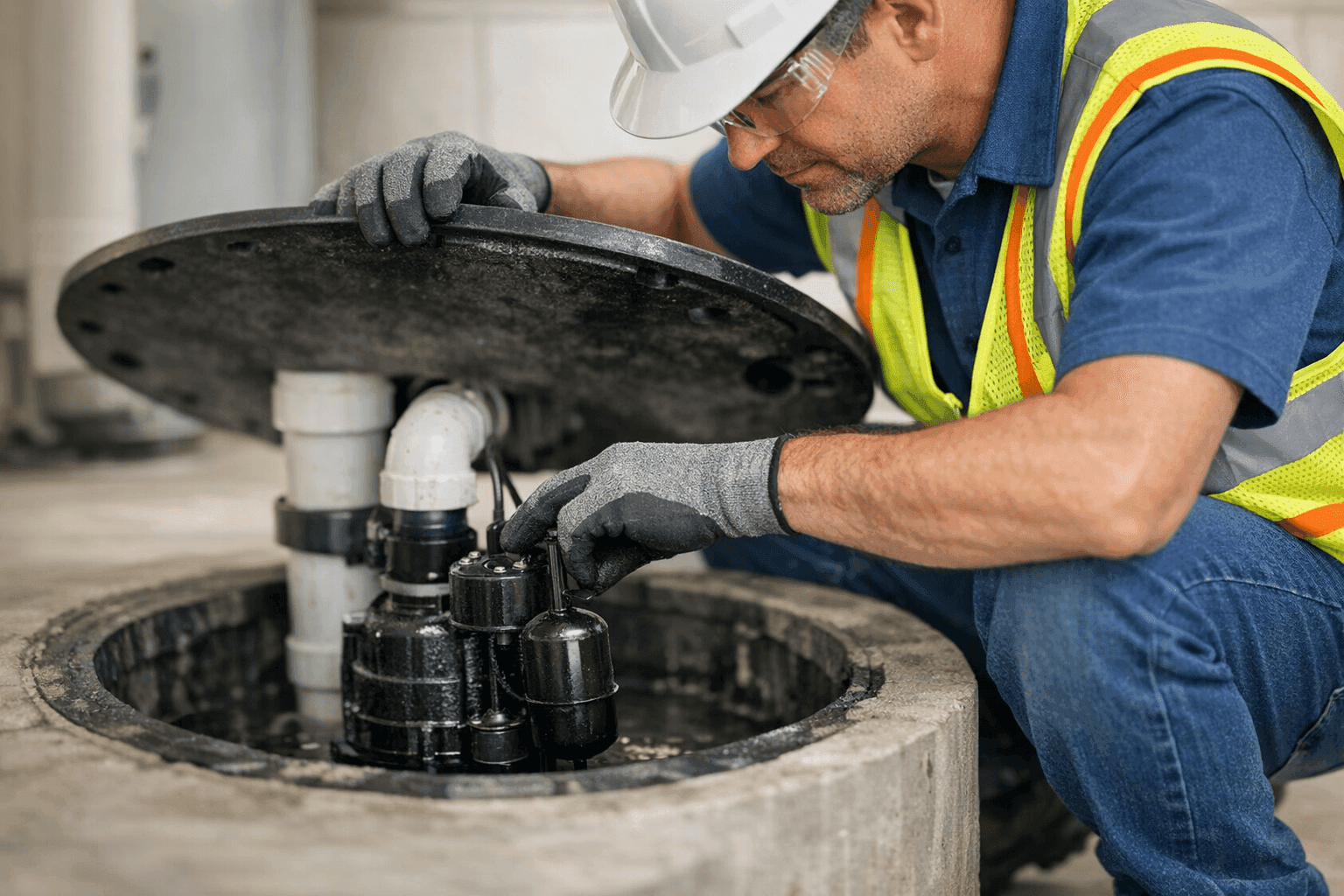
Basement flooding is a nightmare that can sneak up on any homeowner or business. One moment, everything’s dry—then there’s a sudden storm, a power flicker, and your storage turns into a shallow pool. It’s overwhelming, costly, and can leave you feeling powerless.
At JJL Plumbing, we know that a working sump pump is the unsung hero beneath your feet. Preventing disaster starts with understanding your system—and knowing what to do when trouble bubbles up.
Why Sump Pumps Fail 🛑
Sump pumps work hard, but they’re not invincible. Like a car engine that sputters when neglected, ignoring your sump pump can lead to breakdowns at the worst possible time.
Common reasons for failure:
- Power outages: Storms often knock out electricity, especially when you need the pump most.
- Clogged intake or discharge lines: Debris, gravel, or even ice can block flow, causing a backup.
- Aging equipment: Moving parts wear down after years of service.
- Switch problems: The float switch can get stuck or break, leaving the pump silent.
- Improper installation: If the pit isn’t sized right or the check valve is missing, water returns and overwhelms the system.
According to the International Association of Certified Home Inspectors, sump pumps have a typical lifespan of about 7–10 years. If yours is older, it’s wise to stay alert for trouble.
Regular Maintenance Steps
Don’t wait for a flood warning to think about your sump pump. Routine care is your best shield—think of it like brushing your teeth to prevent cavities.
Simple maintenance steps:
- Test the pump every few months: Pour a bucket of water into the pit and watch if it turns on.
- Clean the pit: Remove debris, mud, or gravel that could block the intake.
- Check the discharge line: Ensure it’s free of blockages and drains far from your foundation.
- Inspect the power source: Make sure the cord is plugged into a ground fault circuit interrupter (GFCI) outlet.
- Backup power: Consider a battery backup or water-powered pump for stormy nights when the lights go out.
For commercial properties, log each inspection and stick to a schedule. Businesses face stricter building codes—refer to local ordinances or the National Plumbing Code for details.
Warning Signs You Shouldn’t Ignore ⚠️
A sump pump rarely fails without sending up a flare. Be on the lookout for these symptoms:
- Strange noises: Grinding, rattling, or clanking can signal motor or impeller problems.
- Frequent cycling: If your pump turns on and off rapidly, it may be undersized or have a faulty float switch.
- Musty odors: Persistent dampness or mildew near the pit hints at standing water.
- Visible rust or corrosion: This weakens both the pump and the pipes.
- Pump runs but doesn’t remove water: Could be a clog, a broken impeller, or a failed check valve.
If you spot any of these, don’t ignore them—problems escalate quickly, especially during spring thaws and heavy rains.
Emergency Tips During Floods
When the rain comes down in sheets and water starts to pool, quick decisions matter. Here’s what to do if your sump pump fails during a flood:
- Unplug safely: If water is near outlets or the pump, shut off power at the breaker. Never stand in water near live outlets.
- Remove valuables: Move boxes, electronics, and furniture off the floor.
- Use a wet/dry vacuum: For shallow pooling, this can buy you time until help arrives.
- Call for emergency plumbing service: Don’t wait. The longer water sits, the more damage it causes. JJL Plumbing is ready for emergency-plumbing situations day or night.
The DIY vs. Professional Decision
Some maintenance tasks are simple. Testing the pump with a bucket of water? That’s doable. Replacing a float switch or cleaning the pit? Many homeowners can handle it.
But electrical issues, persistent leaks, and full pump replacements are best left to professionals. Licensed plumbers are trained to spot hidden risks—like discharge pipes that freeze or improper backflow prevention.
What JJL Plumbing Pros Do on Arrival
When you call JJL Plumbing for sump-pump-repair, here’s what you can expect:
- Full inspection: We check the pit, pump, float switch, and power supply.
- Discharge line check: We make sure water is flowing away from your foundation.
- Testing: We simulate heavy rain to ensure the system responds.
- Recommendations: If your system is too small or outdated, we advise on upgrades that fit your needs.
We use quality parts that meet current plumbing codes. If your pump needs replacement, we’ll discuss energy-efficient, reliable options.
Prevention & Maintenance: Your Seasonal Checklist 🌧️
Just like swapping out snow tires in winter or checking your AC in summer, sump pump care is seasonal.
Spring:
- Test the pump before snow melts.
- Clear debris from around the pit.
Summer:
- Inspect for rust, mold, or insects.
- Check for musty smells after storms.
Fall:
- Remove leaves from discharge area.
- Test backup power as storms ramp up.
Winter:
- Ensure discharge lines aren’t frozen or blocked by ice.
Stay ahead of the weather—put these checks on your calendar.
Costs & Time Factors
Sump pump repairs vary. Small fixes—like replacing a float switch—are quick and affordable. Full pump replacements or pit cleaning take more time and resources.
What can you expect? Most repairs finish within a few hours. Severe flooding or extensive water damage may take longer to resolve. Upgrades, like installing a backup battery system, add extra peace of mind.
When It’s an Emergency
Water rising fast? You need help now. Here’s how to tell if it’s time for immediate action:
- Water is covering the basement floor.
- The pump is running endlessly but water isn’t draining.
- You hear electrical buzzing or see sparks.
In these cases, don’t wait—call us for emergency-plumbing to limit the damage.
Common Sump Pump Mistakes
Even well-intentioned homeowners can make mistakes that put their basement at risk:
- Letting debris collect in the pit.
- Using extension cords instead of direct GFCI outlets.
- Ignoring the discharge line—if it’s too close to your house, water will just come back.
- Skipping annual tests and maintenance.
Avoid these pitfalls to keep your pump running strong.
Frequently Asked Questions
How long should a sump pump last?
Most pumps last 7–10 years. Heavy use, poor maintenance, or power surges can shorten this.
How often should I test my sump pump?
Every three months is a good rule of thumb. More often during rainy seasons.
Should I install a backup sump pump?
If your basement stores valuables or houses expensive equipment, a backup is a smart investment.
Do I need a plumber for repairs?
For simple cleaning, you can do it yourself. But electrical or mechanical issues call for a licensed plumbing contractor.
Timeline & Disruption
Most sump pump repairs create minimal disruption. We work quickly, respect your space, and ensure everything is tidy when we leave. Some repairs require turning off water or electricity briefly—always with safety first.
Materials & Equipment
We use reliable, code-approved materials—submersible pumps, airtight covers, check valves, and backup batteries. Our tools help us diagnose issues you might not see.
Plumbing Codes & Safety Standards
All our repairs and installations follow the latest plumbing codes and manufacturer guidelines. The National Association of Home Builders and local code authorities provide the standards we build on. Safety is never optional.
Seasonal Preparedness: Stay Ahead of the Storm ☔
A sump pump is your basement’s umbrella. Don’t wait for the forecast to call for thunder—regular maintenance and fast repairs are the best defense against water damage.
For homeowners and business owners alike, seasonal checkups are essential. If you’re searching for "Garbage Disposal Repair near you" or a trustworthy plumbing company in Parma, JJL Plumbing is here to help.
Call JJL Plumbing now — or reach us anytime at 855-552-2611 .