Water Filtration Systems: Do You Need One?
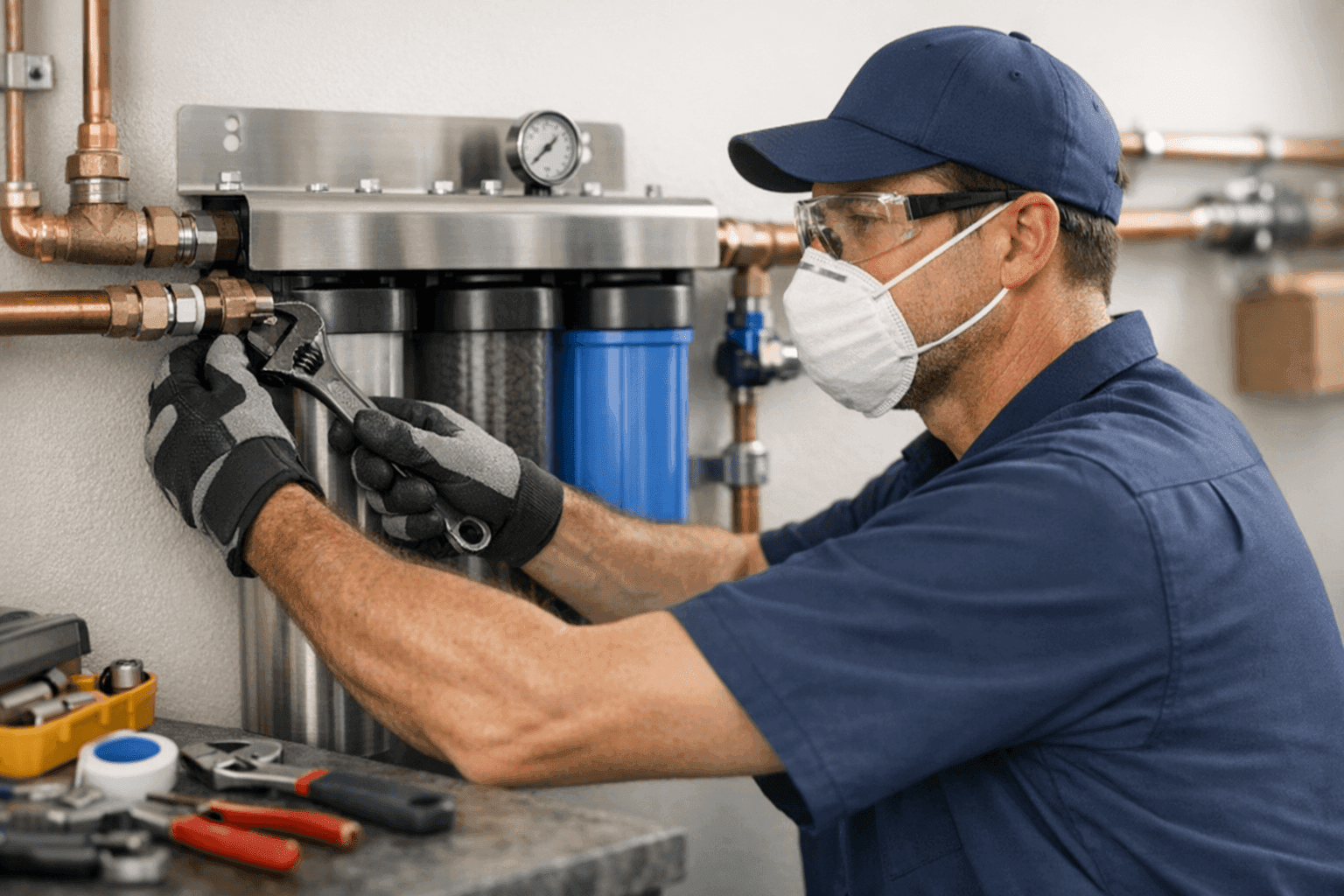
Are you pouring a glass of water and pausing to wonder what’s really in it? Maybe you’ve noticed a strange taste, cloudy ice, or hard mineral stains on your sink. You’re not alone. Water quality worries can sneak up on anyone—whether you’re at home or running a business.
At JJL Plumbing, we understand how important clear, safe water is. But do you really need a water filtration system? Or is your tap already doing its job? Let’s break it down, simply and honestly.
Common Water Quality Problems 🧪
Before diving into filters and gadgets, let’s look at what might be lurking in your water. Some issues are easy to spot. Others hide beneath the surface.
- Chlorine taste or smell: Treated city water often carries a pool-like scent.
- Hard water spots: Minerals like calcium and magnesium leave behind crusty, white stains on fixtures and glassware.
- Cloudiness: Tiny particles or air bubbles can make your water look milky.
- Rusty or brown tint: This could signal iron, manganese, or corroded pipes.
- Strange tastes: Metal, dirt, or rotten-egg flavors suggest sulphur or iron.
- Sediment: Grit or sand can collect in the bottom of your glass.
The Environmental Protection Agency (EPA) sets standards for public water, but not every issue is regulated—especially when it comes to taste, odor, or appearance.
If you use well water, you might face bacteria or agricultural runoff. Even city water can pick up lead, copper, or chemicals on its journey through old pipes—especially in older neighborhoods.
Types of Filtration Systems
The world of water filtration is like a hardware store aisle—packed with options. Each type has its own strengths.
Pitcher Filters
Think of these as the coffee filter of the water world. Affordable, portable, and simple. They reduce chlorine and some metals, but won’t catch everything.
Faucet-Mounted Filters
Attach directly to your kitchen tap. Convenient for cooking and drinking. They handle chlorine, lead, and some sediments but can slow your water flow.
Under-Sink Filters
Hidden, out of sight, and more powerful. These systems target specific contaminants, like lead, VOCs, or pesticides. They’re a solid step up for families or businesses that want more serious protection.
Whole-House Systems
Imagine a bouncer at your front door—screening every drop that enters the building. These tackle chlorine, sediment, and even hard water for every faucet, shower, and appliance. Great for homes with stained fixtures or businesses with heavy water use.
Reverse Osmosis (RO) Systems
The gold standard for removing the widest range of contaminants. RO uses a semi-permeable membrane, trapping everything from fluoride to heavy metals. But, it can waste water and often needs a storage tank.
Water Softeners
Not technically a filter, but worth mentioning. Softeners swap hard minerals for sodium, fighting stains and scale in pipes and appliances. Pair with a filter if taste or chemical removal is a concern.
Benefits for Health and Appliances 💧
So, what’s the payoff? Clean water can be a game-changer for both your family and your plumbing.
Health Benefits
- Reduces risk: Filters can lower exposure to lead, chlorine by-products, and potential bacteria.
- Better taste: Say goodbye to metallic or chemical flavors.
- Peace of mind: You know exactly what’s in your glass.
Benefits for Appliances
- Longer appliance life: Hard water can ruin dishwashers, water heaters, and washing machines. Softened or filtered water keeps them running smoother.
- No more crusty buildup: Fixtures stay shiny, pipes stay clear.
- Fewer repairs: Sediment and minerals aren’t clogging up your plumbing.
Pros and Cons: A Balanced Look
Pros:
- Improved taste and odor
- Protection from contaminants
- Less scale and buildup
- Potential savings on appliance repairs
Cons:
- Upfront cost for equipment and installation
- Filters need regular replacement
- Some systems (like RO) waste water
Maintenance Needs
No filter is “set it and forget it.” Each type has its own routine. Like changing oil in your car, maintenance keeps your system humming.
- Pitcher and faucet filters: Replace every 2–3 months (or as directed).
- Under-sink and whole-house systems: Cartridges may need changing 1–4 times per year.
- RO systems: Membranes last 2–3 years, but pre- and post-filters need annual swaps.
- Softeners: Refill salt and check for bridging or buildup.
A neglected filter can actually make water quality worse. Set a reminder. Or, if you’d rather not bother, JJL Plumbing can schedule maintenance visits when you need them.
DIY or Professional Installation?
Some filters are plug-and-play. A pitcher or faucet filter is as easy as opening a box. But under-sink, whole-house, or RO systems? They’re more like a puzzle—one that involves shut-off valves, tubing, and water pressure checks.
If you’re handy and have time, you might handle a small system yourself. But for anything that taps into your main line—or if you’re unsure—calling a plumber makes sense. Proper installation means no leaks, no pressure drops, and no surprises.
What Happens When a Pro Arrives?
When you call JJL Plumbing, here’s what you can expect:
- Water quality test: We’ll check for common issues—chlorine, hardness, metals, and more.
- System match: We’ll recommend a filter based on your water, budget, and usage.
- Expert installation: Tidy, code-compliant, and tailored to your home or business.
- Maintenance plan: We’ll explain filter changes and schedule reminders if you want.
We follow all local plumbing codes and guidelines from the EPA and National Sanitation Foundation (NSF) for safe, effective water treatment.
Quick Safety Checklist
Before installing any water filtration system, consider:
- Check local water reports: Your city or utility must provide these (often online).
- Test your water: Especially if you’re on a well or have older pipes.
- Read labels: Look for NSF certification for your specific concern (lead, chlorine, bacteria, etc.).
- Know your pipes: Some filters don’t play well with galvanized or older plumbing.
Common Mistakes to Avoid 🚫
- Skipping the water test: Don’t guess what’s in your water. Test first.
- Wrong filter for the job: Not all systems remove all contaminants.
- Ignoring maintenance: Old filters = bad water.
- DIY gone wrong: Cross-threaded fittings and leaks can cause water damage.
Signs You Might Need Filtration
- Water tastes or smells off
- Visible particles or cloudiness
- Chronic hard water stains
- Recurring appliance breakdowns
- Recent plumbing work (which can stir up debris)
- Family health concerns related to water
If you notice these, it’s time for a closer look.
Costs and Time Factors
- Pitcher filters: $20–$50, minutes to set up.
- Faucet filters: $40–$100, 10–20 minutes.
- Under-sink systems: $100–$400 plus installation. Set aside an hour or two.
- Whole-house systems: $800–$3,000+ (including install), half a day to full day.
- Maintenance: Replacement filters range from $10–$150, depending on system.
Prices vary by size and features. JJL Plumbing always provides clear estimates before work begins.
When It’s an Emergency
Most water quality issues aren’t urgent, but some are. If you suddenly notice:
- A sudden change in taste, color, or smell
- Oily film or floating debris
- Reports of a water main break in your area
- Unexplained illness after drinking tap water
Stop drinking the water and call your utility—and us—right away. We can help diagnose and resolve urgent plumbing and water safety concerns.
Seasonal Considerations
- Spring thaw: Melting snow can wash contaminants into wells and rivers.
- Summer: Algae blooms may affect taste and odor.
- Winter: Frozen pipes can burst, stirring up sediment.
- After storms: Flooding can introduce bacteria or chemicals.
Testing and filter maintenance are especially important during these transitions.
Prevention & Maintenance Tips
- Regularly check and replace filters.
- Flush faucets after plumbing work.
- Clean aerators to remove trapped debris.
- Schedule annual water testing—especially for wells.
Preventative maintenance keeps water flowing clean and clear, year-round. For more tips, see our Preventative Maintenance service.
FAQ: Water Filtration
Q: Will a filter remove all contaminants?
A: No single filter removes everything. Match the filter to your main concern—ask a pro if you’re unsure.
Q: Is bottled water better?
A: Not always. Bottled water isn’t necessarily purer, and plastic waste is a concern.
Q: How do I know which filter I need?
A: Start with a water test. Then choose a filter certified for your issue (lead, chlorine, bacteria, etc.).
Timeline & Disruption
Most installations can be done in a few hours. Whole-house systems may take longer, but JJL Plumbing works to minimize downtime. We’ll let you know if water needs to be shut off and for how long.
How to Choose the Right System
- Test first: Know what’s in your water.
- Consider usage: Drinking only? Or whole house?
- Factor in maintenance: How often will you need to change filters?
- Budget: Upfront and long-term costs.
- Space: Some systems need room under the sink or in the basement.
If you’re in the area and want to learn more about water filtration, check out our Kitchen Plumbing solutions for additional ways to keep your water safe and your pipes healthy.
Clean, safe water is essential—at home or at work. If you’re ready to upgrade your water or have questions, JJL Plumbing is here to help, every step of the way.
Call JJL Plumbing now — or reach us anytime at 855-552-2611 .