Water Heater Installation: Choosing the Right System
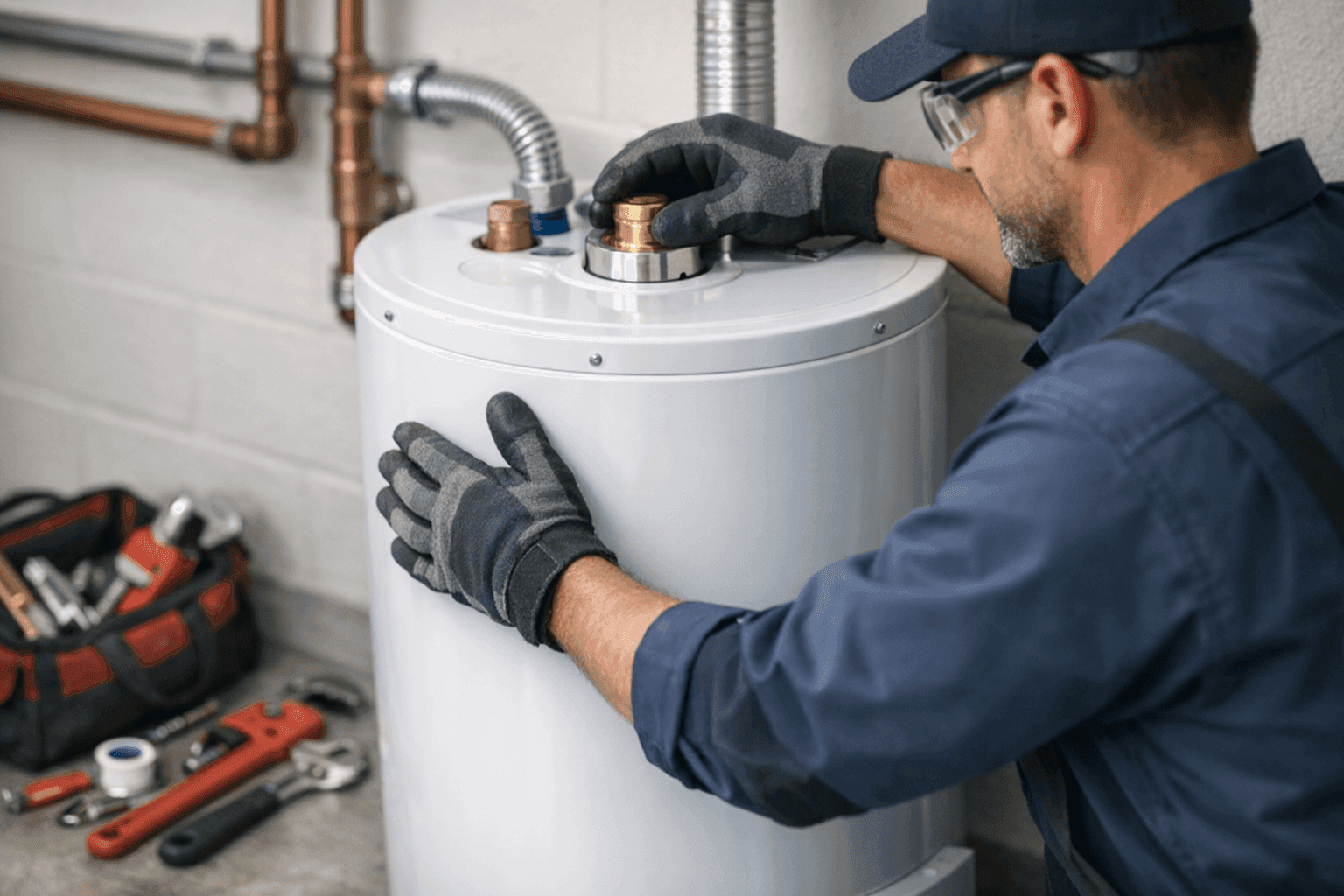
Feeling the cold sting of a lukewarm shower? Or maybe your business can’t keep up with hot water demand. Whether you’re a homeowner or run a busy commercial space, choosing the right water heater isn’t just another item on your to-do list. It’s about comfort, safety, and cost. At JJL Plumbing, we’ve helped countless families and businesses tackle this decision with confidence and clarity.
Let’s simplify the process, avoid common pitfalls, and get you the hot water solution that truly fits.
Water Heater Types: What’s Right for You? 🔥
Every building—and every budget—has its own demands. Picking a water heater is a bit like choosing shoes: the wrong fit leaves you uncomfortable and frustrated.
- Tank Water Heaters: The classic. Stores hot water in a large tank, ready when you are. Reliable and familiar, but can run out after heavy use.
- Tankless Water Heaters: Heats water on demand. No bulky tanks. They’re efficient and can supply endless hot water—perfect for busy households or restaurants. But initial installation can cost more.
- Heat Pump Water Heaters: Think of these as recycling experts. They draw heat from the air or ground to warm your water, using less electricity. Great for eco-conscious homes, but they need a little more space and the right climate.
Don’t forget: Local plumbing codes may influence which type you can install. Always check the latest guidelines available from authorities like the International Code Council (ICC) or your local building department.
Sizing for Home or Business
Imagine trying to fill a swimming pool with a garden hose. That’s what happens when your water heater is too small. But too big, and you’re just tossing money down the drain.
Residential Sizing
- A family of four usually needs a 40-50 gallon tank.
- Tankless options are sized by flow rate (gallons per minute). Showers, laundry, and dishwashers add up fast.
- Basements, guest rooms, or large tubs? Add a buffer.
Commercial Sizing
- Restaurants and salons use more hot water per hour. Factor in peak times.
- Offices may only need hot water for restrooms.
- Always review your business’s maximum simultaneous demand.
Ask a licensed plumber to do a “peak hour demand” calculation. This is a code-compliant way to make sure you’ll never be left in the cold.
Energy Efficiency: Save Money, Save Resources ⚡
Water heating can gobble up nearly 20% of a home’s energy bill. Choosing an efficient model is like patching a leak in your wallet.
- Look for ENERGY STAR ratings. These models meet standards from the U.S. Department of Energy.
- Insulation matters. A well-insulated tank loses less heat. Compare the R-value.
- Fuel type makes a difference. Gas, electric, and hybrid models each have pros and cons for cost and emissions.
A new, efficient water heater can pay for itself over time. Be sure to check for rebates or tax incentives from government agencies or local utilities.
Installation Process: What to Expect
Swapping out a water heater isn’t a casual Saturday project. Think of it as surgery for your house’s plumbing system.
Step-by-Step Overview
- Site inspection: Your plumber checks codes, venting, and access.
- Disconnecting the old unit: Safely shut off water, gas, and electric.
- Setting up the new heater: Proper placement and secure connections.
- Testing: Leak checks, temperature adjustments, and safety features.
- Cleanup and haul-away: No mess left behind.
Permits and inspections are often required. Work with plumbing specialists who understand the rules and keep your home or business up to standard.
Quick Safety Checklist 🛑
- Is your water heater vented properly? Poor ventilation is a silent hazard.
- Are pressure relief valves functioning?
- For gas models: Are there any gas leaks detectable?
- Is there a safe, clear drainage path for overflow?
- Can you easily access shutoff valves in an emergency?
The National Fire Protection Association (NFPA) and local plumbing codes offer detailed safety guidelines. Never compromise on these basics.
Signs You Need a New Water Heater
Not sure if it’s time to replace? Watch for these red flags:
- Water is rusty, cloudy, or smells odd.
- The heater rumbles, pops, or leaks.
- Hot water runs out quickly or isn’t hot enough.
- Repairs are stacking up like bills in a junk drawer.
- The unit is over 10-12 years old.
If you’re seeing any of these issues, consider a professional Water Heater Repair assessment. Sometimes repair makes sense, but replacement might be safer and cheaper in the long run.
DIY or Call a Pro?
Tempted to tackle installation yourself? Think twice. Water heater setup involves electrical, gas, and plumbing connections—one misstep can lead to leaks, carbon monoxide, or failed inspections.
Call a licensed plumber, especially for:
- Gas line installation
- Electrical rewiring
- Code-compliant venting
Your peace of mind is worth it.
What JJL Plumbing Pros Do on Arrival
- Evaluate your needs: household size, usage, future growth.
- Inspect plumbing and gas connections for safety.
- Recommend models that fit your budget and usage.
- Handle all permits and local code requirements.
- Walk you through safe operation and maintenance.
Maintenance Tips for Long Life 🧰
A little attention goes a long way. Here’s how to keep your water heater humming:
- Flush the tank yearly to remove sediment.
- Check the pressure relief valve.
- Insulate pipes and the tank (if safe to do so).
- Schedule regular inspections with a licensed plumber.
These habits prevent surprises, save money, and extend equipment life.
Common Mistakes to Avoid
- Skipping permits or inspections—risking fines and safety.
- Choosing the wrong size—leading to frustration or wasted energy.
- Ignoring manufacturer instructions or local plumbing codes.
- Neglecting annual maintenance.
If in doubt, ask a pro. It’s better than learning the hard way.
Timeline & Disruption: What to Expect
- Most residential installations take 2–4 hours.
- Commercial jobs may run longer, especially for large systems or complex plumbing.
- Hot water will be off during the switch—plan ahead for showers, laundry, and business hours.
Your plumber will communicate timing and next steps, so surprises are kept to a minimum.
Costs & Considerations
- Tank models: Lower upfront cost, higher monthly bills.
- Tankless/heat pump: Higher initial price, greater savings over time.
- Don’t forget to budget for permits and possible upgrades to your plumbing or electrical systems.
Ask about lifetime maintenance costs, not just the sticker price.
When It’s an Emergency
If your water heater is actively leaking, smells of gas, or shows signs of electrical issues (like tripped breakers or flickering lights), shut it off and call for Water Heater Installation help right away.
FAQ: Your Water Heater Questions Answered
How long do water heaters last?
Most last 8–12 years, but good maintenance can extend that.
Is it worth switching to tankless?
If you value efficiency and endless hot water, it’s a great option—especially in smaller spaces.
Are permits really required?
Yes. Most cities require permits and inspections for safety and code compliance.
Can you help with water pressure or other plumbing issues during installation?
Absolutely. Water heater installation is a good time to check for leaks, pressure problems, or outdated pipes.
Seasonal Considerations
- Winter: Water heaters work harder; it may be a good time to upgrade.
- Summer: Lower usage means less disruption during installation.
- Before holidays or business peak seasons: Schedule early.
Preventative Maintenance
Think of it like changing the oil in your car. Don’t wait for trouble—plan regular checkups. Schedule annual inspections with qualified plumbing specialists to spot issues early.
Plumbing Code Reminders
- Always follow manufacturer guidelines and local codes.
- The International Plumbing Code (IPC) and Uniform Plumbing Code (UPC) are trusted resources.
- Gas and electric connections must be handled by licensed professionals.
- Backflow prevention is a must for commercial setups.
Why JJL Plumbing?
We’re not just about water heater installation. From Water Heater Installation to full bathroom remodels, our team handles every plumbing challenge with care and skill. If you’re searching for dependable plumbing services, check out our work in plumbing.
Call JJL Plumbing now — or reach us anytime at 855-552-2611 .