Water Pressure Problems: Causes and Fixes
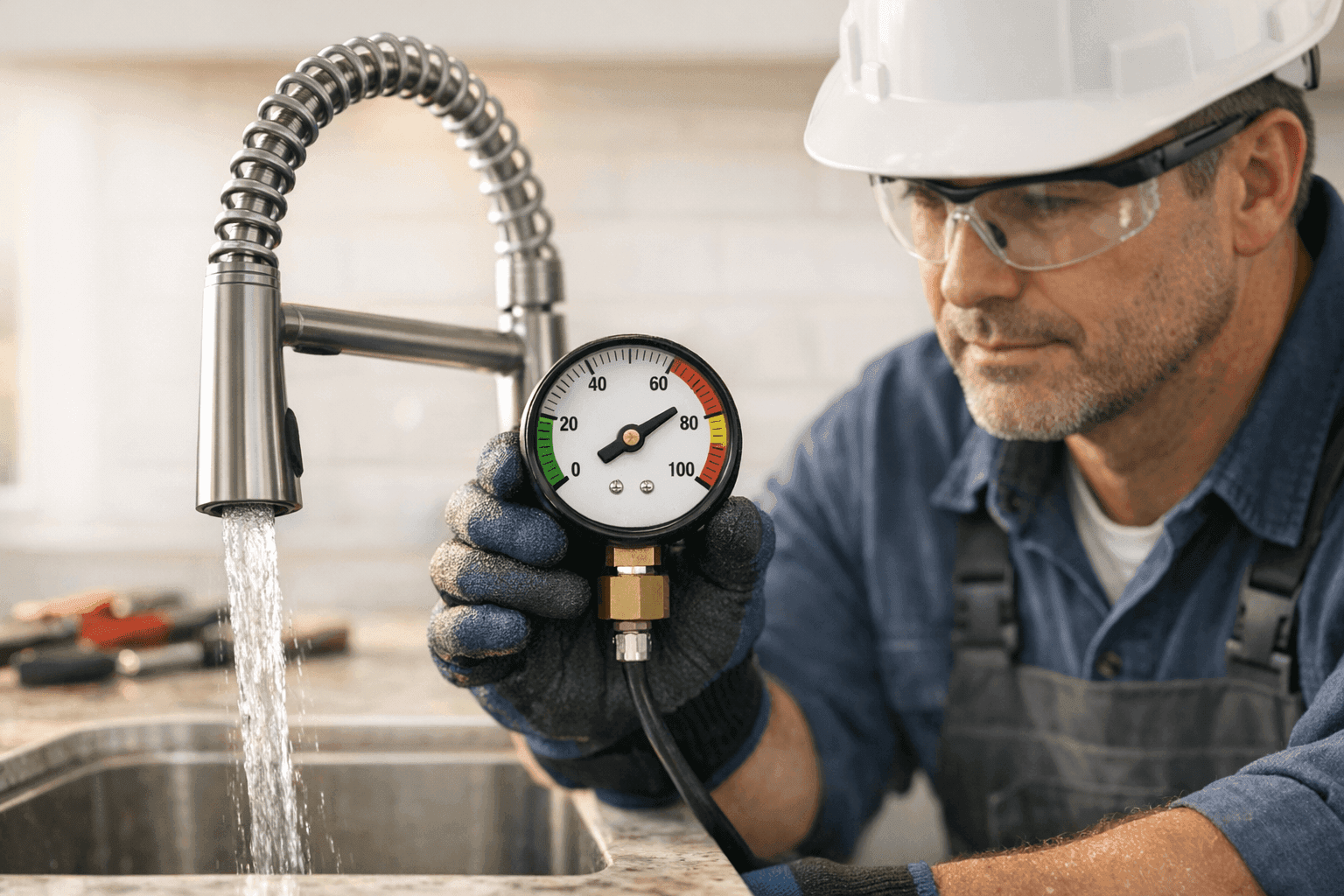
Is the water in your home or business coming out in a trickle—or blasting so hard it splashes back at you? Water pressure problems can throw off your entire routine. Showers take longer. Dishes stack up. Toilets don’t flush right. It’s frustrating and can signal bigger plumbing issues under the surface.
If you’ve found yourself asking, “Why is my water pressure suddenly low?” or “Should I worry if my pipes are noisy?”—you’re not alone. At JJL Plumbing, we help homeowners and businesses untangle these mysteries every week. Let’s walk through what causes water pressure problems, how to troubleshoot them, and when it’s time to call in the professionals.
Common Causes of Water Pressure Problems 🚰
Water pressure issues rarely pop up out of nowhere. The usual suspects are often hidden in plain sight. Here’s where most problems begin:
- Leaks: Picture a garden hose with a pinhole—it loses pressure before it gets to the end. Hidden leaks in your pipes can quietly sap pressure and waste water. Check for damp spots, musty smells, or unexplained water bills.
- Shutoff or Pressure Valves: Both main shutoff valves and pressure-reducing valves can get bumped, stuck, or wear out over time. If a valve is only partly open, your water flow will suffer.
- Pipe Buildup: Over years, minerals from hard water can stick to the inside of pipes, narrowing their path. It’s like cholesterol clogging arteries—flow slows down, and pressure drops.
- Municipal Supply Issues: Sometimes the problem is upstream, with your city’s water supply or a water main break.
- Old or Damaged Pipes: Galvanized pipes corrode from the inside out. Over decades, they can restrict water or spring leaks.
- Faulty Fixtures: Sometimes, it’s just a clogged aerator or showerhead, not the whole system.
- Pressure Too High: Yes, high pressure is also a problem. It can damage appliances and pipes, leading to expensive repairs if ignored.
Understanding these causes is the first step in fixing the issue—before your plumbing turns into a surprise fountain.
DIY Troubleshooting Tips for Water Pressure Woes
Before you reach for the phone, try these simple checks. Sometimes, the problem is an easy fix:
- Test All Fixtures: Is low pressure everywhere, or just in one spot? If it’s isolated, it’s likely a fixture issue.
- Clean Faucet Aerators and Showerheads: Unscrew them and soak in vinegar overnight. Minerals and debris can collect inside, blocking flow.
- Check Shutoff Valves: Locate your home’s main shutoff valve (usually near the meter). Turn it fully open.
- Inspect for Leaks: Look for puddles, damp drywall, or the sound of running water. No signs? Check your water meter—if it spins while water is off, you may have a hidden leak.
- Pressure-Reducing Valve (PRV): If your home has a PRV, it may need adjustment. This is usually best left to professionals, but you can visually inspect for obvious damage or signs of leaking.
- Ask the Neighbors: If they’re having issues too, the municipal supply may be to blame.
If you find a quick fix, great! But if not, it’s time to dig deeper—or consider help.
Quick Safety Checklist
- Shut Off Water: If you suspect a major leak, turn off your main water valve immediately.
- Electricity: Water near outlets or appliances? Shut off the power to avoid shock.
- Gas Appliances: If you have water heaters or boilers, check for leaks around gas lines—never ignore the smell of gas.
- Water Heater Pressure: Never open a water heater if you’re unsure—scalding water and steam can cause burns.
When in doubt, play it safe and call a professional.
When to Call a Plumber
Some water pressure problems are like icebergs—what you see is just the tip. Call JJL Plumbing if:
- Pressure Drops Suddenly: Especially if it’s dramatic or affects the whole property.
- Visible Leaks or Water Damage: Don’t risk mold or structural harm.
- Recurring Clogs or Buildup: If your pipes keep clogging, it may be time for pipe repair or repiping.
- Old Homes or Pipes: Galvanized or polybutylene pipes are especially prone to pressure problems and leaks.
- Strange Noises: Banging, whistling, or chattering pipes can signal trouble inside the walls.
- High Pressure: Over 80 psi? That can wear out washers, dishwashers, and even pipes themselves.
- Unexplained Water Bills: A spike in usage means water is escaping somewhere.
Need a hand? We’re always available for Water Pressure Issues in your area.
What Plumbers Do on Arrival
A trained plumber brings more than a wrench. Here’s what to expect when a pro arrives:
- Pressure Testing: Using a gauge, we check pressure at various points, comparing the results to plumbing codes (the Uniform Plumbing Code recommends 40–80 psi for most homes).
- Leak Detection: We use specialized equipment—sometimes thermal cameras or acoustic sensors—to find hidden leaks without tearing up your home.
- Pipe Inspection: If buildup or corrosion is suspected, we may use small cameras to inspect the inside of pipes.
- Valve and Regulator Checks: We inspect, test, and adjust valves and regulators as needed.
- Fixture and Appliance Review: Sometimes, the culprit is a faulty washing machine, dishwasher, or other water-using appliance.
Our focus is on safe, lasting fixes—not just temporary patches.
Prevention: Keeping Water Pressure in Check 🛠️
Once your water pressure is back to normal, a few habits can keep it steady for years:
- Annual Plumbing Inspections: A checkup can spot leaks, valve issues, and buildup before they become emergencies.
- Flush Water Heater: Sediment buildup can reduce hot water pressure. Drain your heater yearly, or ask your plumber to do it.
- Install a Pressure Regulator: Especially if your pressure is high. This protects your appliances, pipes, and wallet.
- Water Filtration: A good system can cut down on mineral buildup inside pipes.
- Avoid Chemical Drain Cleaners: Harsh chemicals eat away at pipes, causing leaks and pressure drops.
- Update Old Pipes: If your system still uses galvanized or other outdated pipes, consider modern options like copper or PEX.
Common Mistakes and Myths
- Ignoring Early Signs: A slight drop in pressure could be a warning. Don’t wait for burst pipes.
- DIY Overreach: Adjusting PRVs or replacing sections of pipe can get tricky. One wrong move may cause bigger headaches.
- Overtightening Fixtures: It doesn’t solve pressure issues and may damage threads or washers.
Water Pressure: Emergency or Not?
How do you know if it’s urgent? Here’s a quick guide:
- Emergency: Sudden, major pressure drop (especially with visible leaks), no water at all, or flooding.
- Non-Emergency: Minor, gradual pressure changes, isolated to one fixture, or caused by buildup.
When in doubt, play it safe—call for emergency plumbing.
Timeline & Disruption: What to Expect
- Simple Fixes: Cleaning aerators or adjusting valves can take minutes.
- Leak or Pipe Repair: Depending on access, a few hours to a full day.
- Whole-Home Repiping: This can take several days, but we always aim to minimize disruption.
We’ll work with your schedule to keep downtime as short as possible.
Materials and Equipment
- Pressure Gauge: To check accuracy at various points.
- Cameras: For pipe and drain inspection.
- Leak Detectors: Acoustic or thermal, for pinpointing hidden leaks.
- Wrenches, Pliers, Pipe Cutters: The classics.
- Replacement Parts: Valves, washers, sections of pipe—whatever the job requires.
We use up-to-code materials and follow the latest safety guidelines from the International Association of Plumbing and Mechanical Officials (IAPMO).
Costs and Time Factors
Every water pressure problem is unique. Here’s what can affect the bill:
- Extent of Damage: A leaky faucet costs less than a full pipe replacement.
- Access: Pipes hidden behind walls or under slabs take more time to reach.
- Materials Needed: Modern, high-quality pipes and fixtures last longer but can add to upfront costs.
- After-Hours Calls: Emergency plumbing outside business hours may incur higher rates.
We’re always transparent about pricing before work begins.
Seasonal Considerations
Water pressure issues can change with the seasons:
- Winter: Pipes can freeze and burst, causing sudden drops in pressure.
- Summer: High demand (watering lawns, filling pools) can strain older pipes or municipal supply.
Keep an eye on pressure changes as the weather shifts. Preventative maintenance helps avoid seasonal surprises.
FAQ: Water Pressure Problems
Q: How do I know if my pressure is too high?
A: Use a pressure gauge at an outdoor spigot. Anything over 80 psi is considered too high by most plumbing codes.
Q: Can water pressure issues damage appliances?
A: Yes. Both high and low pressure can shorten the life of washing machines, dishwashers, and water heaters.
Q: Is low hot water pressure a sign of a bigger issue?
A: Often, yes. It may indicate buildup in your water heater or pipes. It’s worth an inspection.
The Bottom Line: Don’t Let Water Woes Linger
Water pressure problems can be small annoyances—or warning signs of hidden plumbing trouble. Whether you need quick Garbage Disposal Repair near you, full pipe repair, or just help pinpointing the source, JJL Plumbing is here for both homes and businesses.
Call JJL Plumbing now — or reach us anytime at 855-552-2611 .